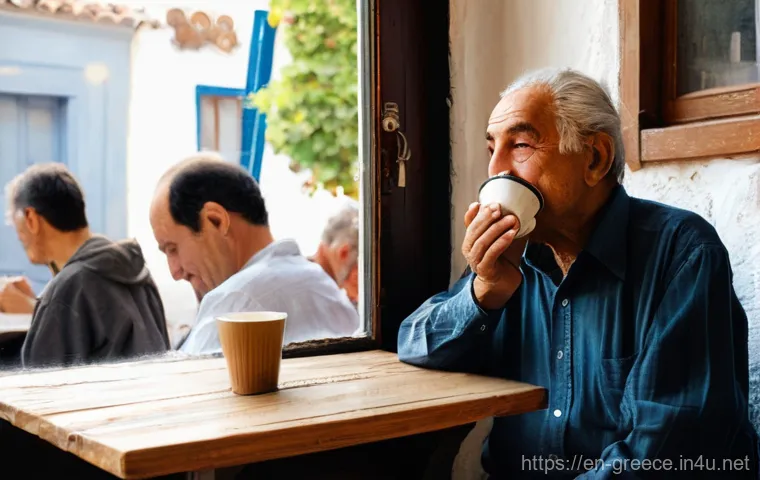
Oh, hey there, fellow coffee lovers! You know, there’s just something truly magical about Greek coffee culture that always draws me in. It’s not simply about getting your caffeine fix; it’s a whole ritual, a lifestyle that weaves through daily conversations, age-old traditions, and vibrant social gatherings.
I’ve personally experienced how a simple cup of Greek coffee can become the centerpiece of lively discussions, whether in a bustling Athenian kafeteria or a serene village kafeneio.
It’s where friends catch up, deals are made, and even fortunes are told – yes, really! What’s fascinating is how this tradition beautifully blends with modern trends.
While the classic, strong Greek coffee brewed in a briki still holds a special place, the younger generation has enthusiastically embraced iced delights like the Freddo Espresso and Freddo Cappuccino, giving Greece a unique edge in the global coffee scene.
The specialty coffee market is also flourishing, with a growing emphasis on ethically sourced beans and sustainable practices. I mean, who wouldn’t want a delicious, thoughtfully prepared brew that respects both tradition and the planet?
It’s clear that Greece isn’t just clinging to the past; it’s innovating, evolving, and always keeping that rich coffee heritage alive, making every sip an experience.
Ready to uncover all the delicious details?
Sipping Stories: The Unforgettable Social Tapestry of Greek Coffee

More Than Just a Drink: A Daily Ritual
You know, there’s just something inherently vibrant about the way Greeks approach their coffee. It’s not just a quick grab-and-go; it’s a deliberate pause, a moment woven into the very fabric of daily life.
I remember my first time truly experiencing a Greek coffee house – a “kafeneio” in a small village. It wasn’t about rushing through a latte; it was about sitting for hours, chatting, laughing, and sometimes even just quietly observing the world go by.
This ritual of shared coffee forms the backbone of social interaction here, connecting generations and strengthening community bonds in a way I hadn’t really seen anywhere else.
It’s where friends catch up on the latest gossip, families share important news, and business deals are often informally discussed over a tiny cup of strong, dark brew.
Honestly, if you want to truly understand Greece, you need to understand its coffee culture – it’s a window into the soul of the country itself. And let me tell you, once you’ve settled into that rhythm, you’ll never look at your morning cup the same way again.
It truly reshaped my perception of coffee’s role in society, highlighting the profound connection between a beverage and community.
The Pulse of the Kafeneio: Where Conversations Unfold
Walking into a kafeneio, you immediately feel this incredible buzz. It’s a symphony of clinking cups, lively discussions, and the rich aroma of freshly brewed coffee.
I’ve often found myself completely lost in the moment, listening to passionate debates, animated storytelling, and the constant murmur of voices. It’s an authentic experience that truly immerses you in local life.
Unlike many modern coffee shops that feel transient, a kafeneio often serves as a second home for many, a reliable fixture in the neighborhood where everyone knows your name, or at least your usual order.
It’s where friendships are forged and maintained, where philosophical discussions intertwine with everyday banter, and where the elderly share wisdom with the young.
I’ve personally spent countless hours observing, learning, and simply soaking in the atmosphere, realizing that these places are far more than just establishments serving coffee; they are living, breathing institutions that encapsulate the very essence of Greek hospitality and camaraderie, a true testament to the power of shared moments.
Brewing Heritage: The Timeless Allure of Traditional Greek Coffee
The Magic of the Briki: A Hands-On Experience
When we talk about traditional Greek coffee, we’re talking about something truly special, something brewed with care and a touch of ancient wisdom. It all starts with the ‘briki,’ a small, long-handled pot, typically copper or brass, that’s central to the brewing process.
I remember my first attempt at making it myself – it seemed so simple, yet there’s a real art to getting that perfect “kaimaki” or foam on top. Finely ground coffee, sugar (if you like it), and cold water are slowly brought to a boil, never quite reaching a rolling boil, to create a rich, strong, and intensely aromatic drink.
It’s an immersive, almost meditative process, and the result is a robust coffee that truly wakes up your senses. Each sip carries the weight of history, a flavor passed down through generations, and honestly, there’s nothing quite like it to ground you in the present moment, especially when you’re enjoying it slowly, savouring every drop.
It’s an experience that connects you directly to centuries of tradition, making it feel deeply authentic.
Ordering Like a Local: Navigating the Sweetness Scale
Ordering traditional Greek coffee can feel a little intimidating at first, but it’s all about the sweetness level, which is usually added during the brewing process.
I’ve learned that getting it just right is key to enjoying the experience. You’ll typically hear terms like ‘sketos’ (plain, no sugar), ‘metrios’ (medium sweet), and ‘glykys’ (sweet).
My personal preference tends to lean towards ‘metrios,’ as it offers a lovely balance that lets the coffee’s natural robust flavor shine through without being overwhelmingly bitter or sugary.
There’s also ‘vary glykys,’ which is extra sweet and very strong – a real jolt for those who need it! Don’t be afraid to experiment; it’s part of the fun!
And remember, this isn’t a coffee you chug; it’s meant to be slowly enjoyed, letting the finely ground coffee settle at the bottom of your cup. Trust me, it’s a delightful journey for your taste buds, and a little adventure in ordering only adds to the charm of the experience.
The Freddo Phenomenon: Greece’s Iced Coffee Revolution
Embracing the Chill: The Rise of Freddo Espresso
Oh, if there’s one thing that truly showcases Greece’s ability to blend tradition with innovation, it’s the meteoric rise of the Freddo Espresso. When the summer sun hits, and trust me, it hits hard here, there’s simply nothing more refreshing.
I remember being skeptical at first, a traditionalist at heart, but one sip of a well-made Freddo Espresso, and I was hooked. It’s essentially a double shot of espresso, whipped vigorously with ice until a thick, rich crema forms, then poured over fresh ice.
The result is an incredibly smooth, strong, and incredibly cold coffee that’s perfect for beating the heat. It’s become such a staple that you see people of all ages enjoying it, from students to professionals, making it an undeniable symbol of modern Greek coffee culture.
It’s proof that even deep-rooted traditions can adapt and thrive in new, exciting ways, offering a fantastic alternative to the hot brew that’s perfect for the Mediterranean climate.
The Velvety Delight: Freddo Cappuccino’s Charm
And then there’s its equally beloved cousin, the Freddo Cappuccino. If you love the creaminess of a hot cappuccino but crave that icy refreshment, this is your go-to.
It starts with the same perfectly crafted Freddo Espresso base, but then it’s topped with a layer of cold, frothed milk – usually skim milk for that airy, light texture – which is also whipped until it’s wonderfully frothy and stable.
The contrast between the strong, cool coffee and the sweet, velvety foam is just divine. I’ve found that the best Freddo Cappuccinos have a milk foam so stable you can practically eat it with a spoon!
It’s an absolute treat, a little indulgence that makes even the hottest afternoon feel luxurious. This drink perfectly embodies the modern Greek coffee experience: sophisticated, refreshing, and utterly delicious.
It’s a testament to how creative and adaptive Greek baristas have become, constantly refining and perfecting these modern masterpieces.
Beyond the Buzz: Diving into Greece’s Specialty Coffee Scene
Ethical Sourcing and Sustainable Sips
It’s not just about tradition and icy delights; Greece’s coffee scene is also making huge strides in the specialty coffee world. I’ve personally noticed a significant shift towards ethically sourced beans and sustainable practices in many of the newer, trendier coffee shops.
Baristas are becoming true artisans, passionate about the origin of their beans, the roasting process, and the intricate art of brewing. This emphasis on quality and transparency is truly exciting.
It means we, as consumers, get to enjoy not only an incredible cup of coffee but also know that we’re supporting fair trade and environmentally conscious growers.
It’s a beautiful evolution, reflecting a global trend while maintaining that unique Greek flair. This commitment to sustainability is something I deeply appreciate, making each thoughtfully prepared brew feel even more special and meaningful, connecting us to the wider world of coffee production.
Artisanal Roasters and Unique Blends
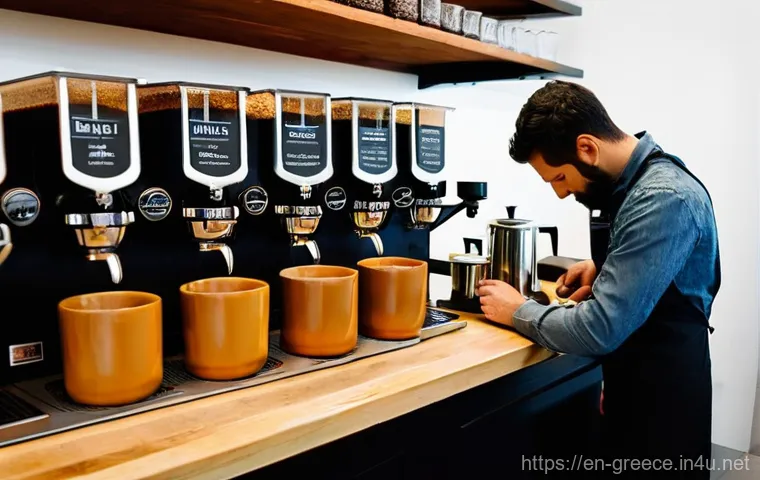
The growth of independent roasters across Greece has been phenomenal. These passionate individuals are experimenting with single-origin beans, unique roasting profiles, and innovative brewing methods, elevating the entire coffee experience.
I’ve had the pleasure of visiting a few of these local roasteries, and the dedication and knowledge of the people behind the counter are truly inspiring.
They’re not just selling coffee; they’re sharing a story with every cup. From delicate floral notes to bold, chocolatey undertones, the variety of flavors available now is simply incredible.
It’s a testament to the thriving, dynamic nature of Greek coffee culture that it embraces both its deep-seated traditions and a future brimming with exciting, high-quality innovations.
If you’re a coffee connoisseur, you absolutely must explore this vibrant and burgeoning segment of the market, as it offers a truly unique and diverse array of flavors that will surprise and delight you.
Sweet Companions: Greek Coffee’s Perfect Pairings
Traditional Treats to Enhance Your Brew
A cup of Greek coffee, whether traditional or modern, often comes with its perfect partner: a little something sweet. This isn’t just about satisfying a craving; it’s part of the holistic experience.
I’ve found that a small square of ‘loukoumi’ (Turkish delight) or a tiny, syrupy ‘kourabiedes’ (almond shortbread cookie) can beautifully complement the robust flavor of a traditional Greek coffee.
These treats are not overly sweet, designed to offer a delicate contrast rather than overpower the coffee. It’s a subtle dance of flavors that truly enhances the ritual.
On my visits, I always make sure to try the local offerings – it’s a delicious way to immerse myself further into the culture, and I’m rarely disappointed.
It truly makes the coffee experience feel more complete and indulgent, transforming a simple drink into a delightful mini-meal that lingers pleasantly on your palate long after the last sip.
Modern Indulgences with Your Iced Coffee
For those enjoying a Freddo Espresso or Freddo Cappuccino, the pairing options often lean towards lighter, more contemporary treats. Think about a piece of fresh fruit, a small pastry, or even a scoop of artisanal gelato in the warmer months.
I’ve seen many people enjoying their iced coffees with a ‘bougatsa’ – a creamy custard-filled pastry – for a delicious morning combination. The key is to find something that refreshes rather than weighs you down.
It’s all about balance, complementing the cool, invigorating nature of the iced coffee. I love how this adaptability extends to the snacks as well, reflecting the evolving palate of Greek coffee lovers.
Whether you prefer old-school charm or modern minimalism, there’s always a perfect sweet companion waiting to elevate your coffee moment, providing a refreshing counterpoint to your chosen brew.
Mastering the Order: Your Guide to Greek Coffee Terminology
Deciphering the Menu Like a Pro
Navigating a Greek coffee menu can be a delightful adventure, especially if you know a few key terms. Beyond the ‘sketos,’ ‘metrios,’ and ‘glykys’ for traditional Greek coffee, there are a few other phrases that will make you feel like a local.
For instance, if you want your Freddo Espresso or Freddo Cappuccino with sugar, you’d usually say “me zakhari” (with sugar) and specify how many spoonfuls, or just “glyko” (sweet).
If you prefer it without sugar, you’d ask for it “sketo.” I’ve often just pointed and smiled, but knowing a few words truly enhances the interaction and gives you a greater sense of confidence.
It’s a small effort that yields big rewards in terms of a more authentic and enjoyable experience. Don’t be shy; the baristas are usually very friendly and happy to help you find your perfect brew, making your ordering experience smooth and stress-free.
Local Variations and Must-Try Delights
While Freddo Espresso and Freddo Cappuccino dominate the iced coffee scene, keep an eye out for other delightful variations. For example, some places offer a ‘Frappé,’ the original Greek iced coffee, made with instant coffee and water, frothed until foamy.
It’s a classic for a reason, though often overshadowed by the Freddos now. Also, depending on the region, you might find unique local preparations or specialty blends.
I always recommend asking the barista for their personal recommendation or a local favorite – that’s how I’ve discovered some hidden gems! Every coffee shop has its own personality, and exploring these subtle differences is part of the fun.
It’s these little explorations that transform a simple coffee run into a memorable cultural discovery, showcasing the incredible diversity and regional nuances of Greek coffee craftsmanship.
Comparing Popular Greek Coffee Styles
| Coffee Style | Description | Common Sweetness Levels | Typical Serving |
|---|---|---|---|
| Traditional Greek Coffee | Finely ground coffee, brewed in a briki, with a thick foam (kaimaki) on top. Served hot, often with grounds at the bottom. | Sketos (No Sugar), Metrios (Medium), Glykys (Sweet) | Small ceramic cup, slowly sipped |
| Freddo Espresso | Double espresso shots vigorously whipped with ice until a rich, cold foam forms, then poured over fresh ice. Served cold. | Sketo (No Sugar), Metrio (Medium), Glyko (Sweet) | Tall glass, usually with a straw |
| Freddo Cappuccino | Freddo Espresso base topped with cold, whipped milk foam, often made from skim milk for a light, airy texture. Served cold. | Sketo (No Sugar), Metrio (Medium), Glyko (Sweet) | Tall glass, usually with a straw |
| Frappé | Instant coffee, sugar (optional), and a little water frothed vigorously until thick and foamy, then diluted with water and served over ice. | Sketo (No Sugar), Metrio (Medium), Glyko (Sweet) | Tall glass, with a straw |
글을 마치며
So, there you have it – a whirlwind tour through the fascinating world of Greek coffee! From the time-honored traditions of the briki to the modern cool of a Freddo, it’s clear that coffee here is far more than just a beverage; it’s a vital thread in the social tapestry. I hope my shared experiences have inspired you to dive a little deeper, savor each sip, and truly immerse yourself in this rich culture. Trust me, it’s an adventure for your senses you won’t soon forget, and perhaps, like me, you’ll find a new appreciation for the humble coffee bean and the stories it helps tell.
알아두면 쓸모 있는 정보
1. When you step into a traditional kafeneio, especially in a smaller village or neighborhood, remember it’s not just a place for a quick coffee. These are social hubs where locals spend hours. Don’t feel pressured to rush; embrace the slow pace. Order your coffee, find a comfortable spot, and simply observe or engage in conversation. You might even find yourself in a lively political debate or a heartwarming chat with an elder. This leisurely approach is key to understanding Greek social dynamics and truly experiencing the local culture. It’s a chance to truly unwind and soak in the atmosphere, a stark contrast to the grab-and-go culture we often see elsewhere.
2. While tipping isn’t as rigidly structured as in some Western countries, leaving a small tip for good service is always appreciated, especially in tourist areas. For a casual coffee, rounding up the bill or leaving a euro or two is a kind gesture. In more upscale cafes or restaurants, a tip of 5-10% is generally appropriate if you feel the service warrants it. It’s a way to show your appreciation for the hard work of the staff who often go above and beyond to ensure you have a pleasant experience. Don’t feel obliged if you’re on a tight budget, but if you can, it certainly makes a difference and fosters good rapport.
3. You’ll often notice that a glass of cold water accompanies your Greek coffee, whether it’s hot or iced. This isn’t just a courtesy; it’s part of the ritual. The water helps cleanse your palate between sips, allowing you to fully appreciate the coffee’s robust flavor. You don’t usually need to ask for it, as it’s typically brought out automatically, but if it isn’t, a simple “nero, parakalo” (water, please) will do the trick. Hydration is key in the Greek climate, and this thoughtful touch truly enhances the overall coffee experience, making it even more refreshing and enjoyable, especially during those warm summer days.
4. Don’t be afraid to ask the barista for recommendations. Greek baristas are often very knowledgeable and passionate about their craft, especially in specialty coffee shops. They can guide you through the different sweetness levels for traditional Greek coffee or suggest unique local blends and seasonal offerings. Many are fluent in English, especially in cities and tourist hotspots, so communication shouldn’t be an issue. Engaging with them can lead to discovering a new favorite brew or learning an interesting fact about the coffee-making process. It’s a great way to personalize your experience and show genuine interest in their expertise.
5. If you fall in love with Greek coffee – and trust me, you probably will – consider buying some locally ground coffee to take home. Many local grocery stores and specialty shops sell excellent quality Greek coffee, often freshly ground. Look for brands that mention “Greek coffee” specifically, and don’t hesitate to ask for recommendations from locals. It’s a fantastic souvenir that allows you to relive those sun-drenched Greek mornings and keep the spirit of the kafeneio alive in your own kitchen. There’s nothing quite like brewing your own traditional cup and being transported back to the charming streets of Greece with every aromatic sip, making your memories last a little longer.
중요 사항 정리
In essence, Greek coffee culture is a beautiful blend of tradition, social connection, and evolving tastes. From the historical warmth of a traditional brew to the invigorating chill of a Freddo, each cup offers a unique window into the Greek way of life. It’s a culture built on slowing down, savoring moments, and cherishing companionship, proving that coffee is much more than a drink—it’s an experience, a ritual, and a reason to connect. So next time you’re in Greece, or even just craving a taste of it, remember these insights and enjoy your coffee like a true local.
Frequently Asked Questions (FAQ) 📖
Q: So, what’s the real scoop on traditional Greek coffee? How is it actually brewed, and what makes it such a unique experience compared to my usual morning cup?
A: Oh, this is where the magic truly begins! Traditional Greek coffee isn’t just a drink; it’s an art form, a ritual, and honestly, a tiny bit of a science experiment all rolled into one.
I’ve spent countless mornings in Greece watching grandmas and seasoned baristas prepare it, and it’s always fascinating. It’s brewed in a special little pot called a briki, usually copper or brass, which gives it such an authentic feel.
The finely ground coffee—and I mean super fine, like powdered sugar—is gently simmered with water and often a bit of sugar right on the stovetop. The key here is to bring it to a frothy, foamy head without letting it boil over.
That rich foam, called kaimaki, is absolutely essential and a sign of a perfectly made cup! What sets it apart is that it’s served with the grounds still in the cup, so you sip it slowly, letting the grounds settle.
It’s strong, robust, and has this incredible earthy aroma that just transports you. It’s meant to be savored, not rushed, giving you time to chat, ponder, or even get your fortune told from the patterns the settled grounds leave behind – yep, that’s a real thing!
For me, it’s not just about the caffeine; it’s about the slow pace, the rich history, and the pure, unadulterated flavor that truly makes it stand out.
It’s an experience that always reminds me to slow down and enjoy the moment.
Q: I keep hearing about Freddo Espresso and Freddo Cappuccino. What exactly are these iced Greek coffees, and why have they become such a massive hit, especially with younger crowds?
A: You are absolutely on point! The Freddo Espresso and Freddo Cappuccino are the rockstars of the modern Greek coffee scene, especially when the Mediterranean sun is blazing.
Trust me, I’ve tried them countless times, and they are incredibly refreshing. Imagine this: a shot of freshly brewed espresso (for the Freddo Espresso) or espresso plus a dreamy, frothy milk foam (for the Freddo Cappuccino) is vigorously blended with ice in a special mixer until it creates this thick, rich, icy foam.
It’s not just coffee poured over ice; it’s a whole different creature! The intense flavor of the espresso is perfectly chilled and aerated, giving it this incredibly smooth, almost creamy texture even without milk in the Freddo Espresso.
For the Freddo Cappuccino, they whip up cold milk into this glorious, towering foam that sits atop the coffee, making it feel indulgent and light at the same time.
I’ve noticed they’re a huge hit because they offer that delicious coffee kick but in a super refreshing, easy-to-drink format that’s perfect for summer.
Plus, they look fantastic in their tall glasses, making them incredibly Instagrammable! It’s the perfect blend of traditional coffee culture meeting a modern, cool vibe, and once you try one, you’ll totally understand why everyone, especially the younger generation, is hooked.
They’re my go-to for a pick-me-up on a hot afternoon!
Q: Beyond just the taste, how does coffee truly weave itself into the social fabric and daily life in Greece? It seems like more than just a beverage there.
A: Oh, it’s so much more than just a beverage! This is honestly one of my favorite aspects of Greek culture. From my countless trips and conversations with locals, I’ve seen firsthand how coffee is the invisible thread that connects everything.
It’s the catalyst for conversation, the backdrop for deep discussions, and the foundation for simply existing together. Whether you’re in a bustling kafeteria in Athens or a sleepy village kafeneio, you’ll see people nursing a single coffee for hours, engaged in lively debates, catching up on gossip, or even sealing business deals.
It’s not about drinking and leaving; it’s about the experience, the company, and the passage of time. I remember sitting with a new friend in Thessaloniki, and we spent a solid two hours over one Freddo Cappuccino, talking about everything from philosophy to family.
That’s totally normal! And then there’s the whole kafemanteia, or coffee cup fortune-telling, which is just pure charm and adds another layer of mystique to the experience.
It’s this beautiful, unhurried approach to life, where coffee acts as a social lubricant, a reason to gather, and a comforting constant. It’s where friendships are deepened, community bonds are strengthened, and life, in all its vibrant glory, unfolds sip by slow, delicious sip.
It’s a tradition that truly emphasizes connection and savoring the present.