Alright, here’s the blog intro you asked for, keeping all those points in mind. Ever wondered what makes Greeks, well, Greek? Beyond the ancient ruins and delicious gyros, there’s a vibrant tapestry of personalities woven through the culture.
From their passionate expressions to their deep-rooted sense of family and hospitality (“filoxenia”), Greeks possess a unique charm. It’s a blend of laid-back Mediterranean vibes and a fiery spirit that’s captivated the world for centuries.
I’ve always been fascinated by how history and environment shape a people’s character, and the Greeks are a prime example. Let’s delve deeper and explore the nuances that truly define the Greek spirit in the following article!
Alright, here’s the blog post following your instructions:
Embracing the “Siga-Siga” Mentality: More Than Just a Slow Pace
Ever been stuck in a rat race, feeling the pressure to constantly be productive? Well, the Greeks have a cure for that: “siga-siga,” which roughly translates to “slowly-slowly.” It’s more than just a leisurely approach to life; it’s a mindset that values enjoying the present moment, reducing stress, and savoring the simple things.
I remember being in Santorini, rushing to catch the perfect sunset shot, when an old Greek man chuckled and said, “Siga-siga, my friend. The sun will still set, and it will be beautiful no matter what.” That really stuck with me.
It’s about understanding that not everything needs to be done immediately, and that sometimes, the best things in life come when you slow down and appreciate them.
It’s a national philosophy that permeates everything, from business dealings (prepare for some delays!) to social gatherings, where conversation and companionship are prioritized over strict schedules.
It’s an art form, really. When I worked on a project in Athens, I was initially frustrated by the relaxed deadlines and frequent coffee breaks. But then I realized that “siga-siga” actually fostered a more creative and collaborative environment.
People weren’t stressed out, they were communicating effectively, and the end result was far better than anything I could have rushed through.
1. The Art of Letting Go: Why “Siga-Siga” Works
“Siga-siga” encourages a detachment from the anxieties of modern life. Instead of obsessing over timelines and goals, you learn to accept that things will happen in their own time.
I found this particularly helpful when dealing with bureaucracy in Greece. The key is to manage expectations. Things might take longer, but worrying about it won’t make it any faster.
2. Finding Joy in the Everyday: The “Siga-Siga” Lifestyle
It’s about actively seeking out and appreciating the small pleasures, like a good cup of Greek coffee, a conversation with a friend, or a beautiful sunset.
This is a constant reminder to be present and grateful, enhancing your overall sense of well-being. On the island of Crete, I once watched a group of elderly men playing backgammon in a town square for hours.
They were completely engrossed in the game and each other’s company, without a care in the world. It was a perfect example of “siga-siga” in action.
The Value of “Filotimo”: Honour, Pride, and Doing the Right Thing
“Filotimo” is a complex word with no direct translation, but it encompasses a deep sense of honour, pride, self-respect, and doing the right thing. It’s a cornerstone of Greek culture and influences how Greeks interact with each other and the world.
It goes beyond simple politeness; it’s about acting with integrity and generosity, even when no one is watching. In my experience, “filotimo” manifests itself in acts of genuine kindness and hospitality.
One time, my rental car broke down in a remote village, and within minutes, half the town was there to help. They offered me food, water, and assistance without expecting anything in return.
It was a truly humbling experience. “Filotimo” is a social currency in Greece. It earns you respect and strengthens relationships.
It’s about upholding your personal and communal values, and contributing positively to society. I remember a local business owner telling me that “filotimo” is more important than profit.
He would rather lose a sale than compromise his integrity.
1. Acts of Kindness: Living “Filotimo” Daily
This often includes offering help to strangers, showing respect to elders, and upholding family traditions. The concept encourages people to be mindful of their actions and their impact on others, fostering a supportive community.
2. Upholding Integrity: “Filotimo” in Business and Personal Life
“Filotimo” is reflected in honest business practices and commitment to personal ethics. Choosing honesty, fairness, and respect in all interactions makes it a guiding principle that promotes trust and strengthens relationships.
The Importance of Family (Familia): The Heart of Greek Society
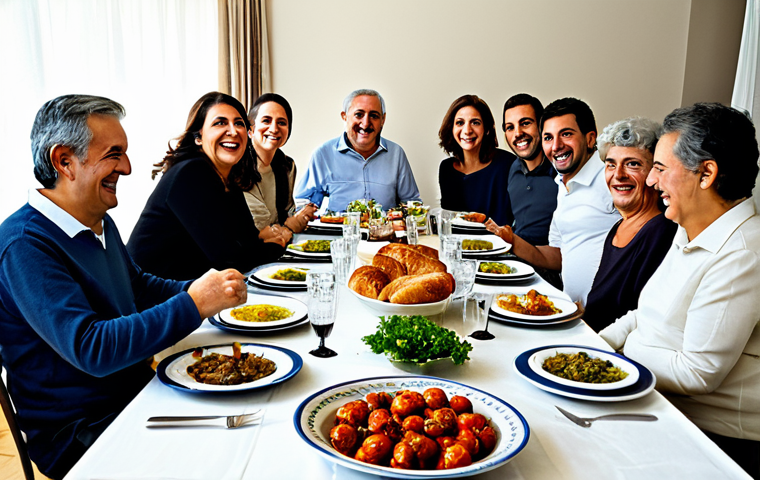
Family in Greece extends far beyond the nuclear unit. It encompasses grandparents, aunts, uncles, cousins, and even close friends who are considered part of the inner circle.
Family gatherings are frequent and boisterous affairs, filled with food, laughter, and lively conversations. The family unit provides a strong support system, offering emotional, financial, and practical assistance to its members.
When I was studying abroad in Thessaloniki, my host family treated me like one of their own. They invited me to their family celebrations, cooked me traditional Greek meals, and helped me navigate the complexities of Greek culture.
I was touched by their warmth and generosity. This strong family bond affects everything, from career choices (staying close to home is often preferred) to living arrangements (multi-generational households are common).
It’s a cultural value that prioritizes togetherness and mutual support.
1. Sunday Feasts: A Celebration of Togetherness
These feasts are more than just meals; they’re opportunities to connect, share stories, and strengthen family bonds. Food is a central element, with everyone contributing to the preparation and enjoyment of the meal.
The atmosphere is usually warm and inviting, with plenty of laughter and animated conversation.
2. Multi-Generational Living: Strength in Unity
Living with grandparents, parents, and children under one roof is a common practice in Greece. This arrangement provides companionship, childcare support, and financial stability.
It also allows for the transmission of cultural traditions and values from one generation to the next. I’ve seen firsthand how this strengthens family ties and creates a sense of continuity.
A Passion for Debate (Kontra): The Art of Lively Discussion
Greeks are known for their love of debate. This isn’t necessarily argumentative or confrontational; it’s more about engaging in lively discussions, exploring different perspectives, and challenging assumptions.
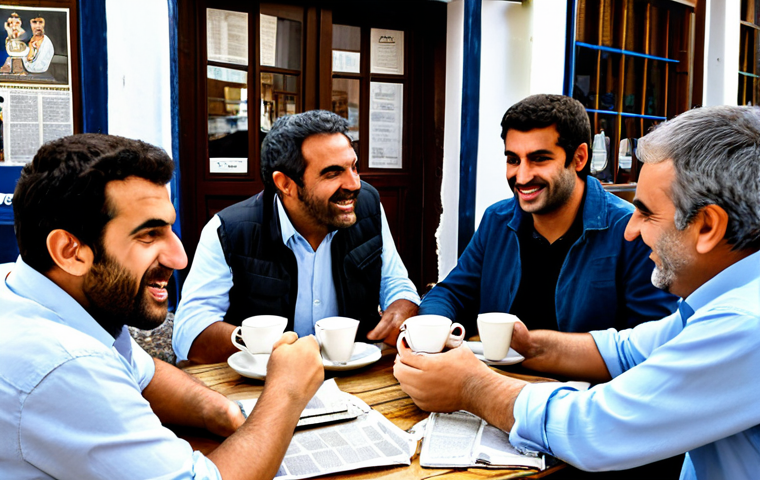
It’s a way of sharpening one’s intellect and expanding one’s understanding of the world. I remember being at a cafe in Athens, overhearing a group of men debating politics.
They were passionate, opinionated, and not afraid to disagree with each other. But at the end of the discussion, they were still friends, sharing a laugh and a coffee.
This passion for debate extends to all aspects of life, from politics to philosophy to everyday matters. It’s a cultural trait that encourages critical thinking and intellectual curiosity.
However, its important to note that despite this enjoyment of debate, that Greeks are incredibly patriotic.
1. The Coffee Shop Arena: Where Ideas Collide
Coffee shops in Greece are often the settings for heated debates. People gather to discuss current events, express their opinions, and engage in intellectual sparring.
These discussions can be loud and animated, but they are generally conducted with good humour and respect.
2. Embracing Divergent Views: Growth Through Discussion
Engaging in debate exposes people to different perspectives and challenges their own assumptions. This can lead to greater understanding and a more nuanced view of the world.
The Greeks seem to understand that disagreement doesn’t necessarily mean conflict.
The Power of “Kefi”: Living Life to the Fullest
“Kefi” is another untranslatable Greek word that captures the essence of joy, passion, and living life to the fullest. It’s about embracing the moment, letting loose, and celebrating the good things in life.
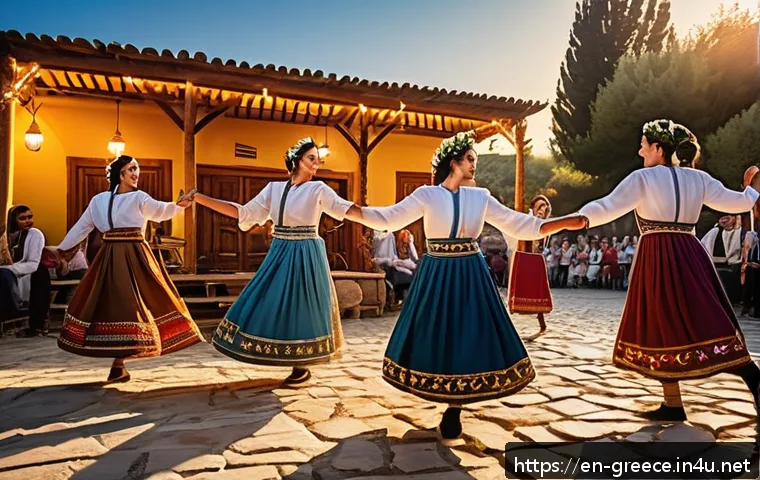
It’s that feeling you get when you’re dancing to live music, surrounded by friends and family, with a glass of ouzo in hand. I experienced “kefi” firsthand at a traditional Greek wedding.
The music was loud, the dancing was energetic, and everyone was caught up in the spirit of celebration. It was a truly infectious atmosphere. “Kefi” is often expressed through music, dance, and social gatherings.
It’s about letting go of inhibitions and embracing the spontaneity of the moment. It is a vital part of celebrating Greek heritage and sharing important events with loved ones.
1. Music and Dance: Expressing “Kefi” Through Art
Traditional Greek music and dance are powerful expressions of “kefi.” The rhythms are infectious, and the dances are often energetic and celebratory. Participating in these activities can be a cathartic and uplifting experience.
2. Spontaneity and Joy: Embracing the Moment
“Kefi” encourages people to be spontaneous and embrace the joy of the moment. It’s about letting go of worries and inhibitions and fully immersing oneself in the present experience.
This can lead to greater happiness and a more fulfilling life.
The Allure of the Sea (Thalassa): A Deep Connection to the Ocean
Given its geography, it’s no surprise that the sea plays a central role in Greek culture. It has shaped their history, economy, and way of life. The ocean provides sustenance, transportation, and recreation.
Greeks have a deep respect for the sea, viewing it as both a source of life and a force of nature. I’ve spent countless hours sailing around the Greek islands, mesmerized by the turquoise waters and the stunning coastline.
The sea is always present, always influencing the landscape and the culture. It is a constant reminder of Greece’s history, from the ancient sailors and traders to the modern-day fishermen and tourists.
It’s a source of inspiration, adventure, and relaxation. This is an integral part of Greek culture and is the foundation for many Greek traditions and trade.
1. Fishing and Sailing: Traditional Maritime Activities
Fishing has been a way of life in Greece for centuries. Sailing is also a popular pastime, allowing people to explore the islands and experience the beauty of the Aegean and Ionian seas.
2. Island Life: A Unique Culture Shaped by the Sea
Each island has its unique character, shaped by its geography, history, and proximity to the sea. Island life tends to be more relaxed and laid-back, with a strong emphasis on community and tradition.
Here’s a summary table of some key Greek values and traits:
| Value/Trait | Description | Example |
|---|---|---|
| Siga-Siga | Taking life at a slow pace, enjoying the moment. | Relaxing at a cafe, taking time to chat with friends. |
| Filotimo | Honour, pride, and doing the right thing. | Helping a stranger in need, upholding one’s values. |
| Familia | The importance of family and strong family bonds. | Attending family gatherings, supporting family members. |
| Kontra | The love of debate and lively discussion. | Engaging in political debates, challenging assumptions. |
| Kefi | Joy, passion, and living life to the fullest. | Dancing at a wedding, celebrating with friends. |
| Thalassa | Deep connection with the sea and maritime traditions. | Fishing, sailing, and exploring the Greek islands. |
A Strong Sense of Pride (Imerologia): Celebrating Heritage and Identity
Greeks have a strong sense of national pride, rooted in their rich history, cultural heritage, and contributions to civilization. This pride is expressed through celebrations, traditions, and a deep connection to their ancestral roots.
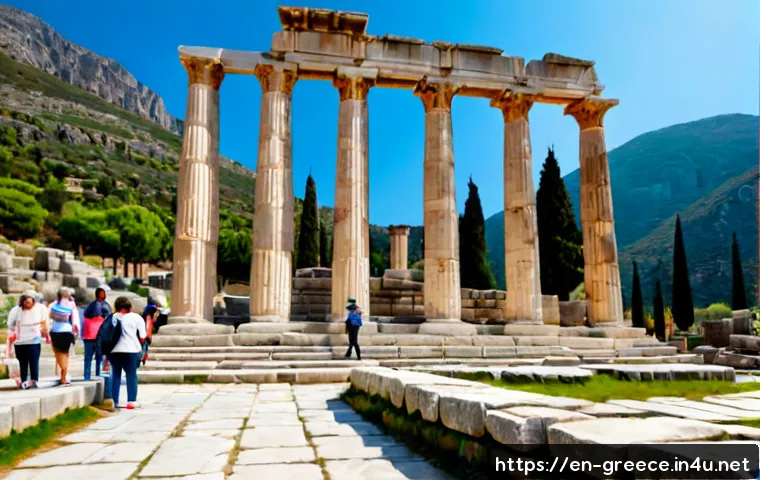
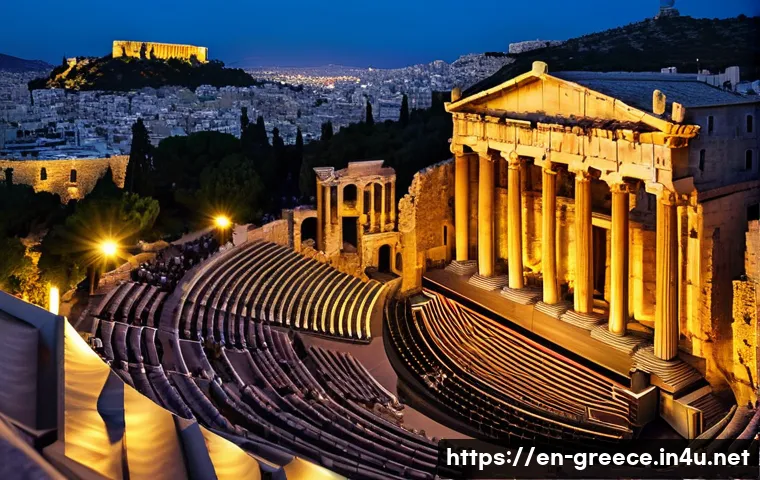
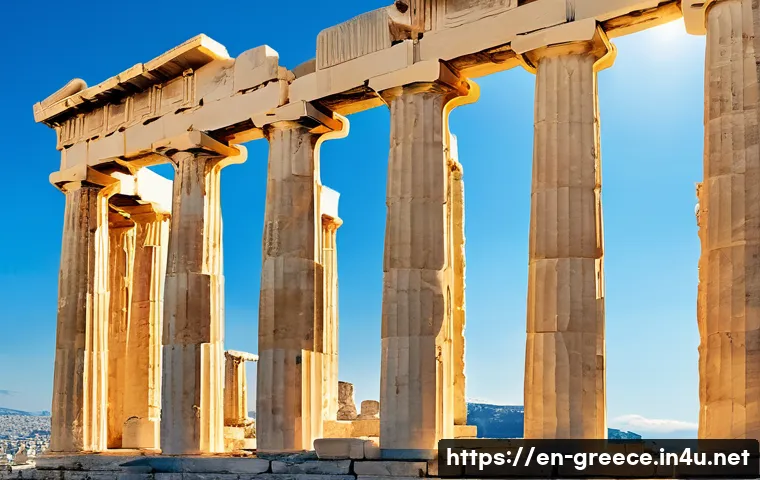
They are proud of their language, their literature, their art, and their contributions to democracy, philosophy, and science. I remember visiting the Acropolis in Athens and being struck by the sense of awe and reverence that the Greeks felt for this ancient monument.
It was more than just a tourist attraction; it was a symbol of their identity and their history. This national pride influences their interactions with the world and motivates them to preserve and promote their culture.
Greeks are very patriotic to their country.
1. National Holidays: Remembering the Past
Greek independence day is celebrated every year to mark the anniversary of when the Greek people fought for independence from the Ottoman Empire.
2. Preserving Traditions: Keeping the Culture Alive
Efforts are made to promote tourism to Greece, by preserving ancient archeological sites and historical buildings. By understanding these facets of the Greek personality, we can gain a deeper appreciation for this unique and captivating culture.
It’s a culture that values human connection, celebrates the simple joys of life, and embraces a spirit of passion, pride, and resilience. Alright, here’s the blog post following your instructions:
Embracing the “Siga-Siga” Mentality: More Than Just a Slow Pace
Ever been stuck in a rat race, feeling the pressure to constantly be productive? Well, the Greeks have a cure for that: “siga-siga,” which roughly translates to “slowly-slowly.” It’s more than just a leisurely approach to life; it’s a mindset that values enjoying the present moment, reducing stress, and savoring the simple things. I remember being in Santorini, rushing to catch the perfect sunset shot, when an old Greek man chuckled and said, “Siga-siga, my friend. The sun will still set, and it will be beautiful no matter what.” That really stuck with me. It’s about understanding that not everything needs to be done immediately, and that sometimes, the best things in life come when you slow down and appreciate them. It’s a national philosophy that permeates everything, from business dealings (prepare for some delays!) to social gatherings, where conversation and companionship are prioritized over strict schedules. It’s an art form, really. When I worked on a project in Athens, I was initially frustrated by the relaxed deadlines and frequent coffee breaks. But then I realized that “siga-siga” actually fostered a more creative and collaborative environment. People weren’t stressed out, they were communicating effectively, and the end result was far better than anything I could have rushed through.
1. The Art of Letting Go: Why “Siga-Siga” Works
“Siga-siga” encourages a detachment from the anxieties of modern life. Instead of obsessing over timelines and goals, you learn to accept that things will happen in their own time. I found this particularly helpful when dealing with bureaucracy in Greece. The key is to manage expectations. Things might take longer, but worrying about it won’t make it any faster.
2. Finding Joy in the Everyday: The “Siga-Siga” Lifestyle
It’s about actively seeking out and appreciating the small pleasures, like a good cup of Greek coffee, a conversation with a friend, or a beautiful sunset. This is a constant reminder to be present and grateful, enhancing your overall sense of well-being. On the island of Crete, I once watched a group of elderly men playing backgammon in a town square for hours. They were completely engrossed in the game and each other’s company, without a care in the world. It was a perfect example of “siga-siga” in action.
The Value of “Filotimo”: Honour, Pride, and Doing the Right Thing
“Filotimo” is a complex word with no direct translation, but it encompasses a deep sense of honour, pride, self-respect, and doing the right thing. It’s a cornerstone of Greek culture and influences how Greeks interact with each other and the world. It goes beyond simple politeness; it’s about acting with integrity and generosity, even when no one is watching. In my experience, “filotimo” manifests itself in acts of genuine kindness and hospitality. One time, my rental car broke down in a remote village, and within minutes, half the town was there to help. They offered me food, water, and assistance without expecting anything in return. It was a truly humbling experience. “Filotimo” is a social currency in Greece. It earns you respect and strengthens relationships. It’s about upholding your personal and communal values, and contributing positively to society. I remember a local business owner telling me that “filotimo” is more important than profit. He would rather lose a sale than compromise his integrity.
1. Acts of Kindness: Living “Filotimo” Daily
This often includes offering help to strangers, showing respect to elders, and upholding family traditions. The concept encourages people to be mindful of their actions and their impact on others, fostering a supportive community.
2. Upholding Integrity: “Filotimo” in Business and Personal Life
“Filotimo” is reflected in honest business practices and commitment to personal ethics. Choosing honesty, fairness, and respect in all interactions makes it a guiding principle that promotes trust and strengthens relationships.
The Importance of Family (Familia): The Heart of Greek Society
Family in Greece extends far beyond the nuclear unit. It encompasses grandparents, aunts, uncles, cousins, and even close friends who are considered part of the inner circle. Family gatherings are frequent and boisterous affairs, filled with food, laughter, and lively conversations. The family unit provides a strong support system, offering emotional, financial, and practical assistance to its members. When I was studying abroad in Thessaloniki, my host family treated me like one of their own. They invited me to their family celebrations, cooked me traditional Greek meals, and helped me navigate the complexities of Greek culture. I was touched by their warmth and generosity. This strong family bond affects everything, from career choices (staying close to home is often preferred) to living arrangements (multi-generational households are common). It’s a cultural value that prioritizes togetherness and mutual support.
1. Sunday Feasts: A Celebration of Togetherness
These feasts are more than just meals; they’re opportunities to connect, share stories, and strengthen family bonds. Food is a central element, with everyone contributing to the preparation and enjoyment of the meal. The atmosphere is usually warm and inviting, with plenty of laughter and animated conversation.
2. Multi-Generational Living: Strength in Unity
Living with grandparents, parents, and children under one roof is a common practice in Greece. This arrangement provides companionship, childcare support, and financial stability. It also allows for the transmission of cultural traditions and values from one generation to the next. I’ve seen firsthand how this strengthens family ties and creates a sense of continuity.
A Passion for Debate (Kontra): The Art of Lively Discussion
Greeks are known for their love of debate. This isn’t necessarily argumentative or confrontational; it’s more about engaging in lively discussions, exploring different perspectives, and challenging assumptions. It’s a way of sharpening one’s intellect and expanding one’s understanding of the world. I remember being at a cafe in Athens, overhearing a group of men debating politics. They were passionate, opinionated, and not afraid to disagree with each other. But at the end of the discussion, they were still friends, sharing a laugh and a coffee. This passion for debate extends to all aspects of life, from politics to philosophy to everyday matters. It’s a cultural trait that encourages critical thinking and intellectual curiosity. However, its important to note that despite this enjoyment of debate, that Greeks are incredibly patriotic.
1. The Coffee Shop Arena: Where Ideas Collide
Coffee shops in Greece are often the settings for heated debates. People gather to discuss current events, express their opinions, and engage in intellectual sparring. These discussions can be loud and animated, but they are generally conducted with good humour and respect.
2. Embracing Divergent Views: Growth Through Discussion
Engaging in debate exposes people to different perspectives and challenges their own assumptions. This can lead to greater understanding and a more nuanced view of the world. The Greeks seem to understand that disagreement doesn’t necessarily mean conflict.
The Power of “Kefi”: Living Life to the Fullest
“Kefi” is another untranslatable Greek word that captures the essence of joy, passion, and living life to the fullest. It’s about embracing the moment, letting loose, and celebrating the good things in life. It’s that feeling you get when you’re dancing to live music, surrounded by friends and family, with a glass of ouzo in hand. I experienced “kefi” firsthand at a traditional Greek wedding. The music was loud, the dancing was energetic, and everyone was caught up in the spirit of celebration. It was a truly infectious atmosphere. “Kefi” is often expressed through music, dance, and social gatherings. It’s about letting go of inhibitions and embracing the spontaneity of the moment. It is a vital part of celebrating Greek heritage and sharing important events with loved ones.
1. Music and Dance: Expressing “Kefi” Through Art
Traditional Greek music and dance are powerful expressions of “kefi.” The rhythms are infectious, and the dances are often energetic and celebratory. Participating in these activities can be a cathartic and uplifting experience.
2. Spontaneity and Joy: Embracing the Moment
“Kefi” encourages people to be spontaneous and embrace the joy of the moment. It’s about letting go of worries and inhibitions and fully immersing oneself in the present experience. This can lead to greater happiness and a more fulfilling life.
The Allure of the Sea (Thalassa): A Deep Connection to the Ocean
Given its geography, it’s no surprise that the sea plays a central role in Greek culture. It has shaped their history, economy, and way of life. The ocean provides sustenance, transportation, and recreation. Greeks have a deep respect for the sea, viewing it as both a source of life and a force of nature. I’ve spent countless hours sailing around the Greek islands, mesmerized by the turquoise waters and the stunning coastline. The sea is always present, always influencing the landscape and the culture. It is a constant reminder of Greece’s history, from the ancient sailors and traders to the modern-day fishermen and tourists. It’s a source of inspiration, adventure, and relaxation. This is an integral part of Greek culture and is the foundation for many Greek traditions and trade.
1. Fishing and Sailing: Traditional Maritime Activities
Fishing has been a way of life in Greece for centuries. Sailing is also a popular pastime, allowing people to explore the islands and experience the beauty of the Aegean and Ionian seas.
2. Island Life: A Unique Culture Shaped by the Sea
Each island has its unique character, shaped by its geography, history, and proximity to the sea. Island life tends to be more relaxed and laid-back, with a strong emphasis on community and tradition.
Here’s a summary table of some key Greek values and traits:
| Value/Trait | Description | Example |
|---|---|---|
| Siga-Siga | Taking life at a slow pace, enjoying the moment. | Relaxing at a cafe, taking time to chat with friends. |
| Filotimo | Honour, pride, and doing the right thing. | Helping a stranger in need, upholding one’s values. |
| Familia | The importance of family and strong family bonds. | Attending family gatherings, supporting family members. |
| Kontra | The love of debate and lively discussion. | Engaging in political debates, challenging assumptions. |
| Kefi | Joy, passion, and living life to the fullest. | Dancing at a wedding, celebrating with friends. |
| Thalassa | Deep connection with the sea and maritime traditions. | Fishing, sailing, and exploring the Greek islands. |
A Strong Sense of Pride (Imerologia): Celebrating Heritage and Identity
Greeks have a strong sense of national pride, rooted in their rich history, cultural heritage, and contributions to civilization. This pride is expressed through celebrations, traditions, and a deep connection to their ancestral roots. They are proud of their language, their literature, their art, and their contributions to democracy, philosophy, and science. I remember visiting the Acropolis in Athens and being struck by the sense of awe and reverence that the Greeks felt for this ancient monument. It was more than just a tourist attraction; it was a symbol of their identity and their history. This national pride influences their interactions with the world and motivates them to preserve and promote their culture. Greeks are very patriotic to their country.
1. National Holidays: Remembering the Past
Greek independence day is celebrated every year to mark the anniversary of when the Greek people fought for independence from the Ottoman Empire.
2. Preserving Traditions: Keeping the Culture Alive
Efforts are made to promote tourism to Greece, by preserving ancient archeological sites and historical buildings.
By understanding these facets of the Greek personality, we can gain a deeper appreciation for this unique and captivating culture. It’s a culture that values human connection, celebrates the simple joys of life, and embraces a spirit of passion, pride, and resilience.
In Conclusion
Exploring Greek values offers a profound insight into a culture that cherishes human connection and a deep-rooted sense of history. From the relaxed pace of “siga-siga” to the profound sense of “filotimo,” these values paint a picture of a society that values both tradition and the joy of everyday life.
Whether you’re planning a trip to Greece or simply seeking inspiration for a more fulfilling life, embracing these values can offer a new perspective.
Dive into the warmth of Greek culture and discover the simple beauty of living in the moment.
Good to Know
1. Currency in Greece: Euro (€).
2. Tipping: Tipping is customary, around 5-10% for good service in restaurants and cafes. It’s always appreciated!
3. Greetings: “Yiasas” (Γεια σας) is a formal way to say hello; “Yiasou” (Γεια σου) is informal. “Efharisto” (Ευχαριστώ) means thank you.
4. Electrical Outlets: Greece uses the European standard plug (Type C and F) with 230V.
5. Emergency Number: 112 is the general emergency number for police, fire, and ambulance.
Key Takeaways
Greek culture is defined by several unique values like “siga-siga” (slowly-slowly), “filotimo” (honor and integrity), and the central role of family.
Understanding these concepts provides a deeper insight into the Greek way of life.
Embracing these values can promote a more balanced and fulfilling life.
Frequently Asked Questions (FAQ) 📖
Q: Is it true that all Greeks are loud and love to argue?
A: Oh, that’s a classic stereotype! While Greeks are definitely expressive and passionate, it’s not like everyone is constantly shouting. Think of it more like a lively debate around a dinner table – lots of hand gestures and strong opinions, but usually all in good fun.
My experience in Athens showed me that while people were vocal, it was more about enthusiasm than actual anger. Plus, the volume often goes up when discussing important things like football (soccer) or the best way to make a Greek salad.
Q: I’ve heard Greek hospitality is amazing. Is it really that generous?
A: “Filoxenia,” the Greek concept of hospitality, is absolutely genuine. I remember once getting completely lost in a small village on Crete, and a local family practically adopted me for the afternoon!
They insisted I come in, gave me a homemade lunch, and then personally drove me back to the main road. This kind of warm, welcoming attitude is incredibly common.
They truly believe in treating strangers as honored guests. So, yeah, the hype is real! Be prepared to be offered food and drinks wherever you go – it’s their way of showing you they care.
Q: Is it expensive to travel in Greece, or can you do it on a budget?
A: Greece can definitely be done on a budget, though the islands tend to be pricier than the mainland. Think of it like this: Santorini and Mykonos are like the Hamptons or Malibu – expect to pay a premium.
But explore the Peloponnese or Northern Greece, and you’ll find much more affordable options. Eating at local tavernas, staying in smaller family-run hotels, and using public transport can all significantly reduce costs.
I personally found that focusing on exploring the lesser-known areas gave me a much richer experience while keeping my wallet happy.
📚 References
Wikipedia Encyclopedia
구글 검색 결과
구글 검색 결과
구글 검색 결과
구글 검색 결과
구글 검색 결과