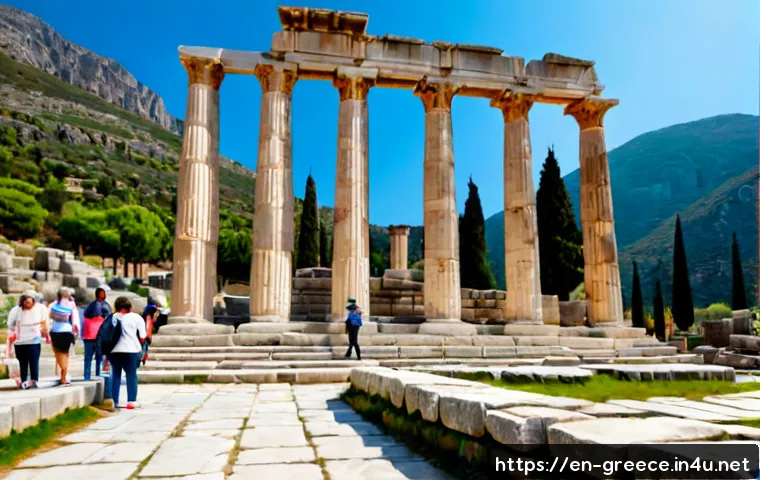
Exploring the Acropolis of Athens is like stepping back in time to the cradle of Western civilization. This ancient citadel, perched high above the city, offers breathtaking views and a glimpse into Greece’s rich history and mythology.
Walking among the ruins, you can almost hear the echoes of philosophers, warriors, and artists who shaped the world. Whether you’re a history buff or simply a curious traveler, the Acropolis promises an unforgettable experience.
Let’s dive deeper into what makes this iconic landmark so captivating!
Architectural Marvels That Define the Acropolis
The Parthenon: More Than Just a Temple
The Parthenon stands as the crowning glory of the Acropolis, an enduring symbol of ancient Greek achievement. What fascinates me most is how this temple, dedicated to the goddess Athena, was constructed with such precision that it seems to defy time itself.
Walking around its massive Doric columns, you can’t help but marvel at the intricate sculptural decorations that once depicted mythological scenes. The subtle curvature of the stylobate and columns was an ancient architectural trick to counteract optical illusions, a testament to the ingenuity of Greek architects.
Standing there, I felt a profound connection to the past, imagining the ceremonies and offerings that once took place here, breathing life into what now stands silent but majestic.
The Erechtheion’s Unique Charm
Unlike the Parthenon’s grandeur, the Erechtheion offers a more intimate glimpse into religious life on the Acropolis. Its asymmetrical layout reflects the complex religious significance of the site, housing shrines to multiple gods and heroes.
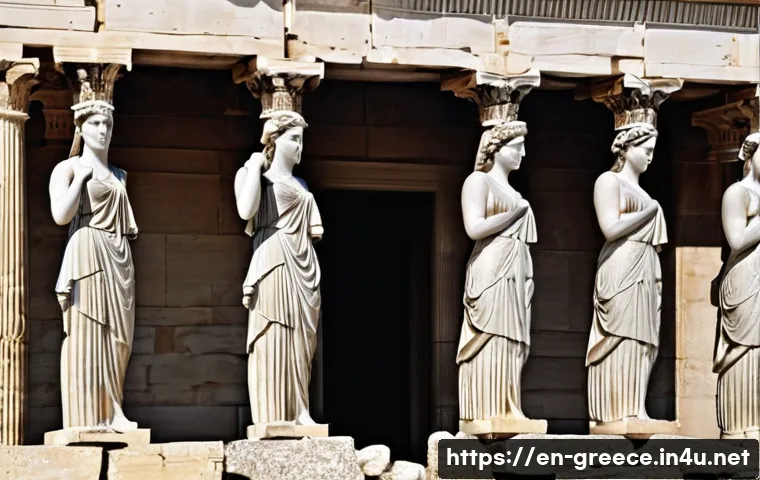
The iconic Porch of the Caryatids, where six elegantly carved female figures replace traditional columns, is absolutely captivating. I remember pausing there, struck by the grace and strength these statues embody, each one different yet harmoniously supporting the structure above.
This blend of artistry and spirituality makes the Erechtheion feel like a living narrative of ancient beliefs and local legends.
The Propylaia: Gateway to History
The Propylaia serves as the grand entrance to the Acropolis, and its design is both functional and symbolic. What caught my attention was how the architects managed to create a majestic gateway that balances openness and fortification, guiding visitors from the bustling city below into a sacred space.
The interplay of light and shadow across its marble surfaces changes throughout the day, adding a dynamic quality to the experience of entering this historic citadel.
I could almost sense the footsteps of countless pilgrims and dignitaries who passed through this gateway, each contributing to the layers of history embedded in the stones.
Unveiling the Stories Behind the Ruins
Legends Woven Into Stone
Every corner of the Acropolis whispers tales from Greek mythology. I found myself drawn to the stories of Athena’s contest with Poseidon, which is immortalized in the very rocks beneath the Erechtheion.
This myth, explaining the city’s divine protection and name, adds a magical dimension to the ruins. Walking through these sacred grounds, you encounter not just architectural feats but also the narratives that shaped the cultural identity of Athens.
It’s like stepping into a storybook where gods and mortals once walked side by side.
Historical Conflicts and Preservation
The Acropolis has witnessed numerous battles and occupations, including damage from Persian invasions and later transformations under Roman and Ottoman rule.
What impressed me was the resilience of these structures despite centuries of turmoil. Modern preservation efforts have been ongoing, blending cutting-edge technology with traditional craftsmanship.
I recall reading about how laser scanning and 3D modeling help archaeologists understand and restore damaged sculptures and buildings, ensuring that the Acropolis remains a testament to human creativity and endurance.
Archaeological Discoveries That Changed Our Understanding
Recent excavations around the Acropolis have uncovered artifacts and structural remains that continually reshape our knowledge of ancient Athens. I was fascinated to learn about the discovery of ancient workshops and sanctuaries that reveal everyday aspects of life long before the classical period.
These finds make the Acropolis not just a monument to the elite but a vibrant center of social and cultural activity. It’s a reminder that history is always evolving as new evidence comes to light.
The Acropolis Experience: Tips for Visitors
Best Times to Visit for an Unforgettable Tour
From personal experience, arriving early in the morning or late in the afternoon offers the most magical atmosphere. The golden light at these times enhances the textures of the marble and creates stunning photographic opportunities.
Plus, the crowds thin out, allowing for a more contemplative and immersive visit. I recommend avoiding midday when the heat and tourist density can detract from the experience.
Guided Tours vs. Self-Exploration
While wandering freely lets you set your own pace, joining a guided tour can enrich your understanding dramatically. On my last visit, a knowledgeable guide shared fascinating anecdotes and architectural details I would have missed on my own.
Whether you choose a group or private guide, having expert commentary adds depth and context to the visual splendor surrounding you.
Essential Gear and Accessibility
Comfortable walking shoes are a must, considering the uneven terrain and steps. I also found that bringing a hat, sunscreen, and water significantly improves comfort during warmer months.
For those with mobility challenges, some parts of the Acropolis are difficult to navigate, but recent improvements have made key areas more accessible.
Checking accessibility options in advance ensures a smooth visit for everyone.
Exploring the Acropolis Museum
Connecting Artifacts to Their Original Setting
The Acropolis Museum offers a remarkable complement to the outdoor site by housing artifacts excavated from the hill itself. It was eye-opening to see how statues and friezes fit into the bigger architectural puzzle.
The museum’s glass floors even allow you to view ongoing excavations below, bridging past and present in a unique way. Experiencing the museum after the Acropolis visit deepened my appreciation for the artistry and craftsmanship involved.
Modern Design Enhancing Ancient History

The museum’s sleek, modern architecture contrasts beautifully with the ancient relics inside, creating a dialogue between eras. I was particularly impressed by how natural light floods the galleries, highlighting the marble sculptures and pottery.
This thoughtful design makes the museum not just a repository of history, but an inspiring space that celebrates the cultural legacy of Athens.
Interactive Exhibits and Educational Programs
For families or curious minds, the museum offers interactive displays and workshops that bring ancient history to life. I recall joining a multimedia presentation that vividly recreated the Acropolis’s appearance during its peak, making the ruins outside feel even more alive.
These educational opportunities are perfect for deepening engagement and making history accessible to all ages.
Culinary and Cultural Delights Near the Acropolis
Traditional Greek Taverns with a View
After hours of exploring, nothing beats relaxing at a nearby taverna with a view of the Acropolis lit up at night. I found a cozy spot in Plaka, where the aroma of grilled souvlaki and fresh tzatziki mingled with the warm evening air.
The local hospitality and vibrant atmosphere made the meal unforgettable, a perfect way to savor Greek culture beyond the ruins.
Street Art and Local Markets
The neighborhoods surrounding the Acropolis pulse with creativity and tradition. Strolling through Anafiotika’s narrow alleys, I stumbled upon colorful murals and artisan shops selling handmade jewelry and textiles.
The nearby Monastiraki Flea Market is a treasure trove of souvenirs and local produce, ideal for picking up unique mementos. This lively scene offers a glimpse into contemporary Athenian life, blending seamlessly with ancient history.
Festivals and Performances Under the Stars
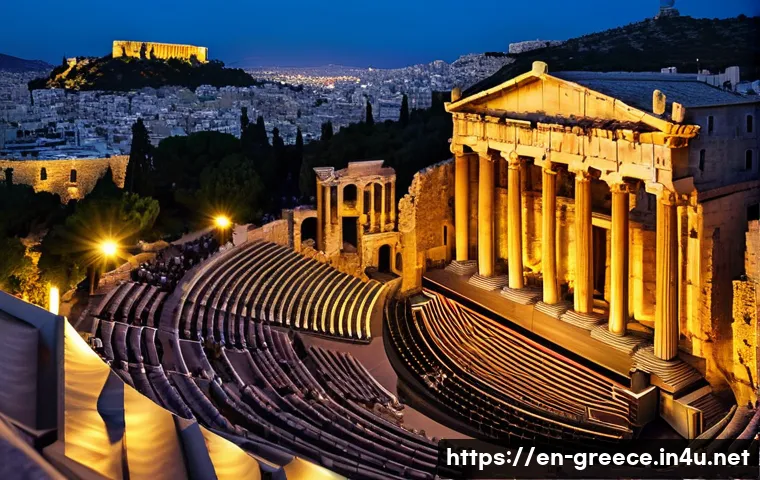
If your timing is right, catching a cultural event at the Odeon of Herodes Atticus, located on the Acropolis’s southern slope, is a magical experience.
I once attended a live concert there, and the combination of music echoing off the stone amphitheater with the illuminated Acropolis backdrop was simply breathtaking.
These performances connect modern visitors with the artistic spirit that has defined Athens for millennia.
Understanding the Acropolis Through Time
From Mythic Origins to Classical Glory
The Acropolis’s story begins in myth but truly flourished during the 5th century BCE, the classical era. This period marked Athens’s rise as a cultural and political powerhouse, with the Acropolis embodying its ideals of democracy, beauty, and intellectual pursuit.
Knowing this timeline adds layers to the experience, as you see how each stone and sculpture reflects a specific moment in human achievement.
Byzantine and Ottoman Transformations
Following antiquity, the Acropolis adapted to new rulers and religions. Churches were built within its walls, and later, during Ottoman rule, parts of it served as a fortress.
These changes remind us that history is not static but a continuous process of redefinition and reuse. Exploring these layers reveals the Acropolis as a living monument shaped by diverse cultures and epochs.
Modern Restoration and Global Significance
Today, the Acropolis stands as a UNESCO World Heritage site and a symbol of cultural heritage worldwide. The ongoing restoration projects blend respect for ancient craftsmanship with modern engineering, aiming to preserve this treasure for future generations.
I’ve followed some of these efforts closely, and it’s inspiring to see how international collaboration and advanced technology work hand in hand to protect such an iconic landmark.
| Site | Purpose | Architectural Style | Notable Features |
|---|---|---|---|
| Parthenon | Temple to Athena | Doric | Optical refinements, sculpted friezes, massive columns |
| Erechtheion | Multi-god shrine | Ionic | Porch of Caryatids, asymmetrical design |
| Propylaia | Entrance gateway | Doric/Ionic mix | Monumental gateway, light/shadow play |
| Acropolis Museum | Artifact display | Modern | Glass floors, natural light, interactive exhibits |
Conclusion
The Acropolis is more than just an ancient site; it’s a vivid testament to human creativity, history, and resilience. Exploring its architectural wonders and rich stories offers a unique journey through time that continues to inspire. Whether you visit the ruins or the museum, the Acropolis invites you to connect deeply with the legacy of Athens and the enduring spirit of its people.
Useful Information to Know
1. Arrive early or late in the day to enjoy the Acropolis with fewer crowds and softer lighting for better photos.
2. Consider joining a guided tour to gain richer insights and uncover hidden stories behind the monuments.
3. Wear comfortable shoes and bring sun protection, especially during warmer months, to ensure a pleasant visit.
4. Check accessibility options ahead of time if you have mobility concerns, as some areas can be challenging to navigate.
5. Don’t miss the Acropolis Museum nearby—it offers fascinating context and interactive exhibits that enhance the overall experience.
Key Takeaways
The Acropolis stands as a symbol of cultural heritage that has evolved through myth, history, and restoration. Its architectural brilliance, layered religious significance, and ongoing preservation efforts highlight the importance of protecting such landmarks. To fully appreciate the site, plan your visit thoughtfully, embrace both the ruins and museum, and immerse yourself in the stories that continue to define Athens’s timeless legacy.
Frequently Asked Questions (FAQ) 📖
Q: What is the best time of day to visit the
A: cropolis to avoid crowds and enjoy the views? A1: From my experience, early morning right when it opens or late afternoon a couple of hours before closing are the sweet spots.
The crowds thin out, the heat is more bearable, and the lighting is perfect for photos. Plus, you get a more peaceful atmosphere to really soak in the history without feeling rushed or overwhelmed by tourists.
Q: Are there any tips for making the most of a visit to the
A: cropolis? A2: Absolutely! First, wear comfortable shoes because the terrain is uneven and there’s quite a bit of walking.
Bring water and a hat, especially in summer, since shade is limited. Also, consider hiring a local guide or using an audio guide app; it transforms your visit by telling you fascinating stories and myths behind each structure that you might miss otherwise.
And don’t rush—give yourself at least two hours to explore.
Q: Is the
A: cropolis accessible for people with mobility issues? A3: Accessibility can be a bit challenging because of the ancient stone pathways and steps. However, there have been improvements with ramps and elevators in certain areas to assist visitors with limited mobility.
It’s a good idea to check ahead with the official site or visitor center for the latest accessibility options and to plan accordingly. If mobility is a concern, guided tours tailored for accessibility might be the best choice to ensure a comfortable experience.