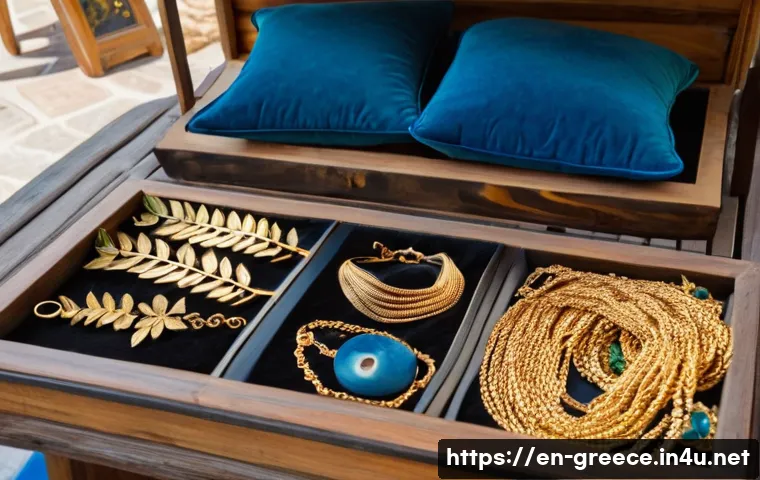
Traveling to Greece is always a magical experience, filled with stunning landscapes, rich history, and vibrant culture. One of the best ways to keep those memories alive is by bringing home unique souvenirs that capture the essence of this beautiful country.
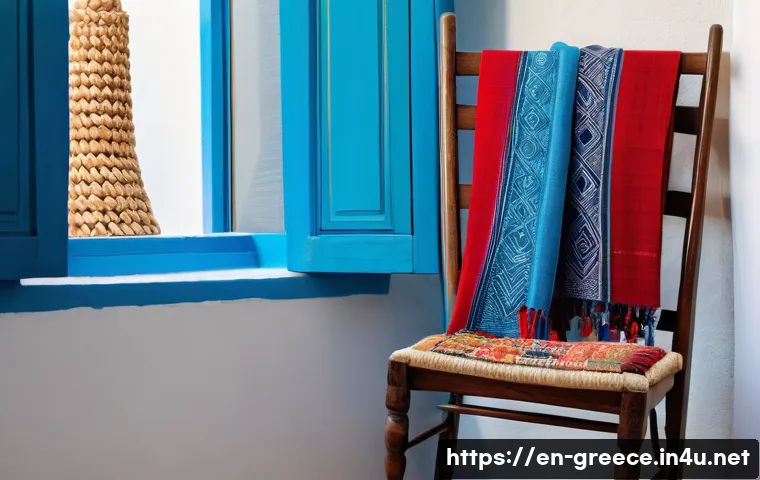
From handcrafted jewelry to traditional culinary delights, Greek souvenirs offer a glimpse into the local lifestyle and heritage. Whether you’re shopping for yourself or hunting for the perfect gift, knowing what to look for can make all the difference.
Let’s dive into some must-have keepsakes that truly reflect Greece’s charm. I’ll walk you through the best options, so you don’t miss out—let’s explore them in detail below!
Discovering the Allure of Greek Handicrafts
The Charm of Handmade Jewelry
When wandering through local markets or quaint village shops, you’ll often find exquisite handcrafted jewelry that captures the essence of Greece. These pieces often feature motifs inspired by ancient mythology, like olive branches, the evil eye, or the intricate patterns of ancient coins.
What I personally love is how each piece tells a story — it’s not just an accessory but a wearable piece of history. Whether it’s a delicate gold necklace or a bold silver cuff, these treasures make for meaningful souvenirs that last far beyond your trip.
Textiles That Tell a Story
Greece’s traditional textiles are a beautiful reflection of its rich cultural tapestry. From handwoven rugs to embroidered scarves, each item is crafted with techniques passed down through generations.
I remember buying a soft wool shawl in Crete that still reminds me of the breezy island evenings. The vivid colors and unique patterns are perfect for bringing a touch of Greek heritage into your everyday life.
Plus, these textiles often support local artisans, so your purchase contributes to preserving these ancient crafts.
Pottery and Ceramics with a Modern Twist
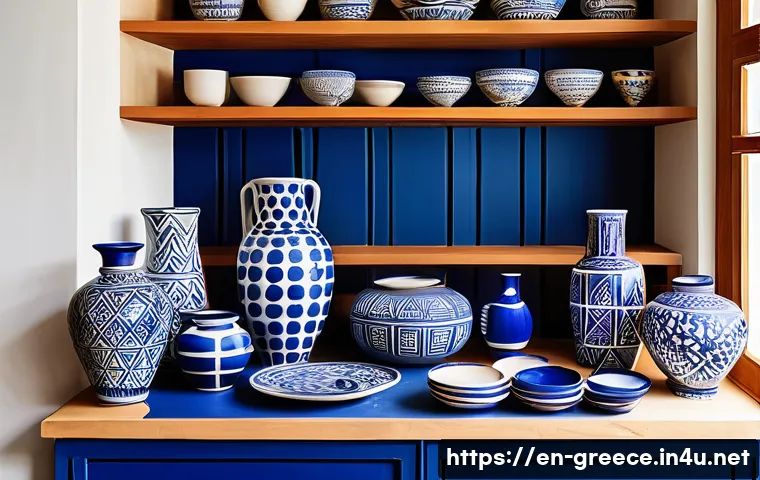
Greek pottery has evolved from classic ancient styles to contemporary designs that fit modern tastes. Visiting small workshops, you’ll notice how artisans blend traditional shapes with fresh colors and glazes.
I found this fascinating because it bridges the past and present beautifully. A hand-painted vase or a set of plates with geometric patterns not only look stunning but also serve as functional art pieces.
They’re great for those who appreciate aesthetics and utility combined.
Savoring Greek Culinary Treasures at Home
Olive Oil – The Liquid Gold
Greek olive oil is renowned worldwide for its quality and flavor. I always make it a point to bring back a bottle or two because nothing compares to the taste of authentic extra virgin olive oil pressed from local olives.
Whether drizzled on a fresh salad or used in cooking, its rich aroma and peppery finish elevate any dish. The best part? Many producers offer beautifully packaged bottles that double as decorative keepsakes.
Traditional Sweets and Spices
If you have a sweet tooth, Greek pastries like baklava or loukoumi (Turkish delight) make perfect gifts. I once gifted a box of assorted loukoumi to friends back home, and they couldn’t stop raving about the delicate flavors infused with rose, mastic, or citrus.
Alongside sweets, don’t overlook local herbs and spices such as oregano, thyme, or saffron from Kozani. They add authentic flavors to your cooking and remind you of sunny Mediterranean kitchens.
Wine and Spirits from Iconic Vineyards
Greek wines have gained international acclaim, and bringing a bottle home is a wonderful way to extend your journey. Regions like Santorini and Nemea produce distinctive varieties such as Assyrtiko and Agiorgitiko.
I’ve tasted some of these wines during vineyard tours, and the unique volcanic soil imparts an unforgettable character. Don’t forget to explore traditional spirits like ouzo or tsipouro, which come in beautifully designed bottles that look great on display.
Embracing Greece’s Spiritual and Symbolic Souvenirs
The Power of the Evil Eye
One of the most iconic Greek symbols is the “mati” or evil eye, believed to ward off negative energy. You’ll find it in many forms—from pendants and keychains to wall hangings and home decor.
I’ve always felt a special connection with these charms, as they embody a blend of superstition and cultural pride. Giving an evil eye souvenir is like sending a wish for protection and good luck, making it a thoughtful gift.
Religious Icons and Crosses
Greece’s Orthodox Christian heritage is deeply rooted in its art and daily life. Small painted icons or silver crosses are treasured souvenirs for those who appreciate spirituality or religious art.
I bought a hand-painted icon in a monastery shop, and it felt like carrying a piece of sacred history with me. These items are crafted with great care and often blessed, adding an extra layer of significance.
Ancient Symbols in Modern Keepsakes
From the Labyrinth to the Greek key (meander) pattern, ancient symbols are everywhere in Greek souvenirs. They’re often incorporated into modern designs on jewelry, home goods, or fashion accessories.
I’ve noticed how these symbols can spark conversations and connect you to the fascinating stories of Greek mythology and history, making them more than just pretty patterns.
Functional Souvenirs That Enrich Everyday Life
Handcrafted Leather Goods
Greek leather craftsmanship is exceptional, especially in sandals and bags. Walking through streets in Athens or the islands, you’ll see artisans crafting sandals by hand using traditional methods.
I bought a pair that not only felt comfortable but also aged beautifully over time. These items are perfect for anyone who values quality and style with a story behind them.
Unique Home Decor Items
If you’re looking to infuse your living space with a Mediterranean vibe, Greek souvenirs like painted plates, lanterns, or woven baskets fit the bill perfectly.
I once picked up a rustic lantern in a tiny Cycladic village that adds a warm glow and a touch of Greece to my home. These functional pieces double as art and are wonderful conversation starters.
Natural Beauty Products
Thanks to Greece’s abundant flora, natural beauty products like olive oil soaps, herbal lotions, and honey-based skincare are widely available. I’ve tried several during my travels and found them gentle yet effective, with scents that instantly transport me back to sun-drenched landscapes.
These items make thoughtful gifts for loved ones who appreciate natural, eco-friendly products.
Understanding Price Ranges and Quality to Maximize Your Souvenir Budget
Balancing Cost and Authenticity
When shopping for Greek souvenirs, it’s tempting to pick up everything that catches your eye. However, I’ve learned that focusing on authenticity and quality ensures your keepsakes truly represent Greece.
For example, handcrafted jewelry might be pricier than mass-produced trinkets, but the craftsmanship and story behind it are priceless. Similarly, buying olive oil directly from producers guarantees freshness and flavor.
How to Spot Genuine Artisan Products
It’s easy to get overwhelmed in tourist-heavy areas where mass production can blur the lines. My advice is to look for signs of handmade quality: slight imperfections, natural materials, and detailed craftsmanship.
Talking to vendors about their process often reveals fascinating insights and helps you connect with the product on a deeper level. Plus, many artisans are happy to share stories that enrich your souvenir experience.
Practical Tips for Budget-Friendly Shopping
I always recommend exploring local markets early in the morning or late afternoon when vendors might offer better deals. Don’t hesitate to negotiate respectfully—it’s part of the culture and often leads to pleasant surprises.
Combining souvenirs like smaller jewelry pieces with affordable culinary treats is a great way to bring home a variety of Greek delights without overspending.
| Souvenir Type | Typical Price Range (USD) | Authenticity Tips | Best Places to Buy |
|---|---|---|---|
| Handcrafted Jewelry | 30 – 150 | Look for artisan signatures, natural materials | Local markets, small boutiques, island workshops |
| Olive Oil | 10 – 40 per bottle | Check for PDO labels, fresh harvest dates | Producer shops, farmers markets |
| Textiles | 20 – 80 | Handwoven patterns, natural fibers | Village craft shops, traditional fairs |
| Pottery & Ceramics | 15 – 60 | Hand-painted details, artisan marks | Workshops, artisan cooperatives |
| Religious Icons | 10 – 50 | Hand-painted, blessed items | Monastery shops, church bazaars |
| Leather Goods | 25 – 100 | Full-grain leather, sturdy stitching | Craft markets, specialized leather stores |
Finding Souvenirs with a Personal Touch
Customizable Keepsakes
One of the most rewarding experiences I’ve had was ordering a piece of jewelry engraved with my initials or a meaningful Greek word. Many shops offer personalized options, from stamped leather goods to hand-painted ceramics.
This adds a unique layer to your souvenir, making it truly one-of-a-kind and deeply connected to your trip.
Supporting Local Artisans Directly
Whenever possible, I try to buy directly from the makers. This not only guarantees authenticity but also helps sustain the local economy and traditions.
Spending time chatting with an artisan about their craft creates a memorable encounter that enriches the value of your purchase. It’s a way to bring home a story as much as a souvenir.
Creating a Souvenir Collection
If you’re like me, collecting souvenirs over several trips can turn into a wonderful hobby. I started with small items like magnets and expanded to larger pieces like textiles and pottery.
Each item holds a special memory and collectively they paint a vivid picture of my journeys through Greece. Building a collection encourages mindful shopping and deep appreciation for the culture.
Transporting Your Greek Treasures Safely
Packing Tips for Fragile Items
Greek pottery and glass items are delicate but often too precious to leave behind. From experience, I recommend wrapping fragile souvenirs in soft clothing or bubble wrap, then placing them in the center of your suitcase surrounded by sturdy items.
This cushioning technique reduces the risk of damage during transit and keeps your treasures safe.
Handling Liquids and Oils
Bringing back olive oil or spirits requires careful packaging to prevent leaks. I usually buy bottles with sealed caps and double-wrap them in plastic bags.
Some vendors also offer special packaging for travel. Declaring these items at customs is essential, so be aware of airline regulations and limits to avoid surprises at the airport.
Maximizing Luggage Space
To accommodate bulky souvenirs like textiles or leather bags, I often leave some extra space in my luggage or use a foldable bag that can expand on the return trip.
This strategy lets me shop without worrying about overweight fees and ensures I can bring home all the special finds without hassle. Planning ahead is key for stress-free packing.
글을 마치며
Exploring Greek handicrafts and culinary treasures offers a unique way to connect with the country’s rich heritage. Each souvenir carries a story, blending tradition with personal memories that last long after your trip. Whether it’s a handcrafted piece or a flavorful treat, these keepsakes bring a touch of Greece into everyday life. Embrace the experience of discovering authentic treasures that resonate with your journey.
알아두면 쓸모 있는 정보
1. When shopping for Greek souvenirs, prioritize authenticity over quantity to ensure meaningful keepsakes that reflect true craftsmanship.
2. Engaging directly with local artisans not only supports their work but enriches your understanding of the cultural significance behind each item.
3. Fragile items like pottery should be carefully packed using soft materials and placed centrally in your luggage to prevent damage.
4. Olive oil and spirits require sealed packaging and awareness of airline regulations to avoid complications during travel.
5. Plan your luggage space ahead, using expandable bags if necessary, so you can comfortably bring home your favorite souvenirs without stress.
중요 사항 정리
Choosing souvenirs thoughtfully enhances your travel experience and supports local communities. Look for handmade details and natural materials to ensure authenticity. Always consider practical aspects like packaging and transport to protect your purchases. Engaging with artisans adds depth to your journey, making each item a meaningful reminder of Greece’s rich culture and traditions. Lastly, balance your budget by mixing smaller affordable items with standout pieces for lasting value.
Frequently Asked Questions (FAQ) 📖
Q: What are some authentic Greek souvenirs that truly represent the culture?
A: When it comes to authentic Greek souvenirs, look for items that showcase local craftsmanship and tradition. Handcrafted jewelry featuring ancient Greek designs, such as evil eye motifs or Greek key patterns, are timeless choices.
Olive oil products, especially those from Crete or Kalamata, are excellent gifts reflecting Greece’s rich agricultural heritage. Additionally, traditional ceramics, like painted plates or worry beads (komboloi), capture the artistic spirit of the region.
These souvenirs not only look beautiful but also tell a story about Greece’s history and culture.
Q: Where is the best place to buy genuine souvenirs in Greece without getting overcharged?
A: To avoid tourist traps and overpriced goods, it’s best to shop at local markets, small artisan shops, or directly from producers. Cities like Athens have neighborhoods such as Plaka or Monastiraki, where you can find authentic handmade items at reasonable prices.
Islands like Santorini and Crete also have charming local boutiques. Don’t hesitate to ask vendors about the origin of their products—locals often appreciate genuine interest and might even offer better deals.
Buying directly from artisans ensures you get quality souvenirs that support the local economy.
Q: Can I bring Greek food souvenirs like olive oil or herbs back home, and what should I know about customs regulations?
A: Yes, you can bring many Greek food souvenirs like olive oil, dried herbs, honey, and spices back home, but it’s important to check your country’s customs regulations before traveling.
Most countries allow sealed, commercially packaged food products, but homemade or fresh items may be restricted. Olive oil is a popular choice and usually permitted, but it should be in its original unopened packaging.
When in doubt, keep receipts handy and declare your items at customs to avoid issues. Bringing home these culinary treasures is a wonderful way to relive your Greek experience once you’re back.