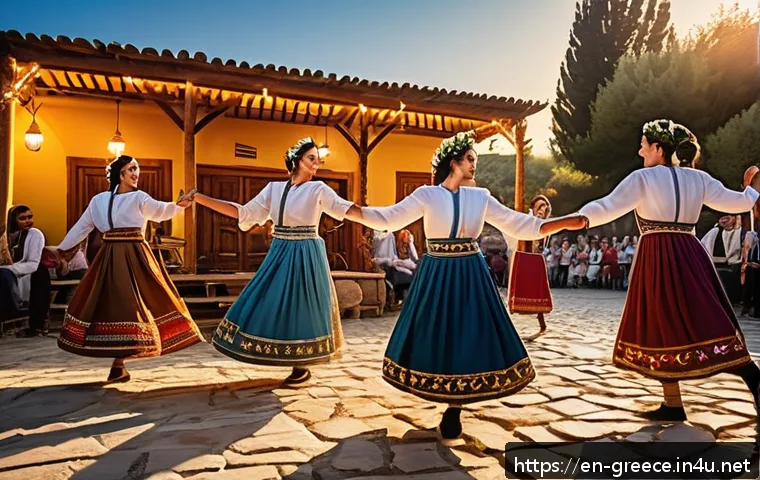
As the world eagerly embraces cultural diversity more than ever, exploring Greece’s rich heritage through its folk dances and music offers a vibrant window into its soul.
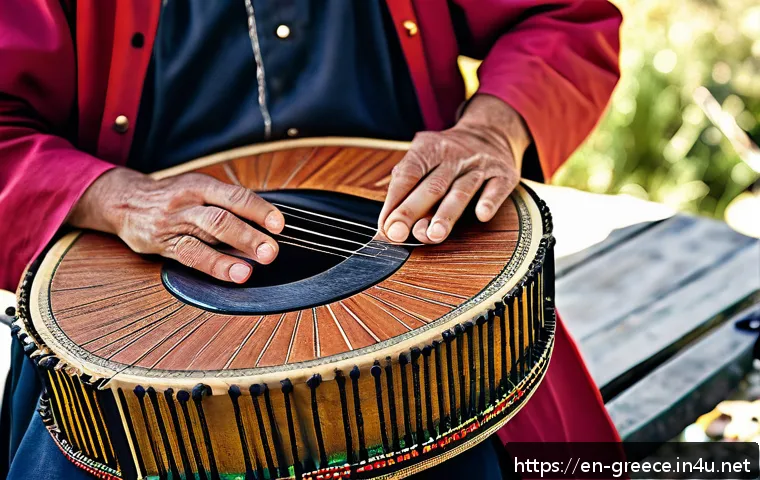
These timeless traditions, passed down through generations, are not just art forms but living stories of community, history, and identity. Recently, there’s been a surge of interest in authentic cultural experiences, making now the perfect moment to dive into Greece’s rhythmic past.
Whether you’re a traveler, music lover, or simply curious, uncovering these heartfelt expressions will deepen your appreciation for a culture that celebrates life with every step and note.
Join me as we journey through the enchanting world of Greek folk traditions that continue to inspire and connect people worldwide.
Echoes of Tradition: The Heartbeat of Greek Celebrations
Community Spirit Woven in Dance
Greek celebrations are incomplete without the vibrant energy of traditional dances. These dances aren’t just movements; they’re the living threads that stitch communities together.
When I joined a local festival in a small village, I noticed how every step, every handhold, was a silent conversation among participants—transmitting stories of resilience, joy, and shared history.
It’s fascinating how even strangers become part of this communal rhythm, feeling an immediate connection through the dance circle. The dances often begin slowly, drawing in more people, and by the end, the whole crowd moves as one, celebrating unity and belonging.
Melodies That Carry Generations
The musical instruments accompanying these dances, such as the bouzouki, lyra, and clarinet, each carry their own unique timbre and history. I recall listening to a skilled lyra player whose haunting melodies seemed to echo the rugged landscapes of the Greek mountains.
These sounds are deeply embedded in the collective memory of the people, often telling tales of love, struggle, and celebration. What makes this music so captivating is its dynamic range—from lively, fast-paced tunes that urge dancers to quicken their pace, to soulful ballads that invite reflection.
Hearing these instruments live, especially in an open-air setting, adds a layer of authenticity that recordings simply cannot capture.
Costumes as Cultural Statements
The traditional costumes worn during these performances are like walking museums, reflecting regional identities and historical influences. Each embroidered detail, color choice, and accessory tells a story about the wearer’s origin and the occasion being celebrated.
I once had the chance to speak with a local artisan who passionately explained how certain patterns symbolized fertility, protection, or status within the community.
Wearing these costumes during festivals is more than aesthetic—it’s an act of preserving heritage and showing respect for ancestors.
Rhythms of the Aegean: Musical Instruments and Their Stories
Bouzouki: The Soulful String
The bouzouki, with its pear-shaped body and metallic strings, is perhaps the most iconic Greek instrument. Its sound instantly evokes images of lively tavernas and sun-drenched island evenings.
Personally, I found that the bouzouki’s sound carries a bittersweet emotion, perfectly suited for both upbeat dances and melancholic songs. The instrument’s evolution from rural folk roots to mainstream Greek music symbolizes the blending of tradition with modernity.
Lyra: The Voice of the Mountains
This small, three-stringed bowed instrument is especially prominent in Crete and other mountainous regions. The lyra’s piercing yet warm tone can express a wide emotional spectrum, from joyous celebration to deep sorrow.
I remember attending a mountain village festival where the lyra player’s fingers danced across the strings with such finesse it felt like the mountain itself was singing.
The lyra holds a special place because it connects people directly to the rugged landscapes and ancient customs of Greece.
Clarinet: The Wind of Festivities
The clarinet, often used in northern Greece, adds a lively and sometimes playful element to folk music. Its ability to mimic the human voice with trills and bends makes it ideal for storytelling through music.
At one wedding celebration I attended, the clarinetist’s skillful improvisations elevated the mood, encouraging everyone to join in the dance. This instrument’s presence shows the diversity within Greek folk music, reflecting regional tastes and influences.
Dance Forms That Tell Stories
Sirtaki: The Modern Classic
Though often mistaken as a traditional folk dance, sirtaki was actually created in the 1960s but has since become synonymous with Greek dance culture worldwide.
Its gradually accelerating rhythm mirrors the emotional crescendo of shared human experiences—starting slow and intimate, then bursting into energetic communal joy.
My first exposure to sirtaki was during a seaside festival, where the dance’s infectious energy made it impossible to resist joining in.
Kalamatianos: The Circle of Life
Kalamatianos is one of the most popular and widely recognized traditional dances. Performed in a circle, it symbolizes unity and continuity, with dancers holding hands and stepping in intricate patterns.
I’ve noticed how the tempo and style can vary slightly by region, but the dance’s essence remains a powerful expression of togetherness. It’s a dance that invites both participation and admiration, bridging generations effortlessly.
Tsamikos: The Dance of Valor
Tsamikos is a proud, masculine dance often performed at celebrations of national significance. Its measured steps and powerful leaps evoke the spirit of heroism and strength.
Watching skilled dancers perform Tsamikos, I felt the weight of history and pride infused in each movement. The dance serves as a reminder of the struggles and victories that shaped modern Greece.
Cultural Significance Beyond Performance
Preserving Heritage Through Education
Many communities in Greece actively teach folk dances and music to younger generations, ensuring these traditions remain alive. I visited a cultural center where children practiced with enthusiasm, not just learning steps but absorbing the stories behind them.
This educational approach fosters a deep respect for identity and history, helping youth connect with their roots amid a rapidly changing world.
Folk Traditions as Social Glue
Beyond entertainment, folk dances and music function as social adhesives, strengthening bonds among family and neighbors. At village festivals, these traditions create spaces where people of all ages come together, share meals, and celebrate life’s milestones.
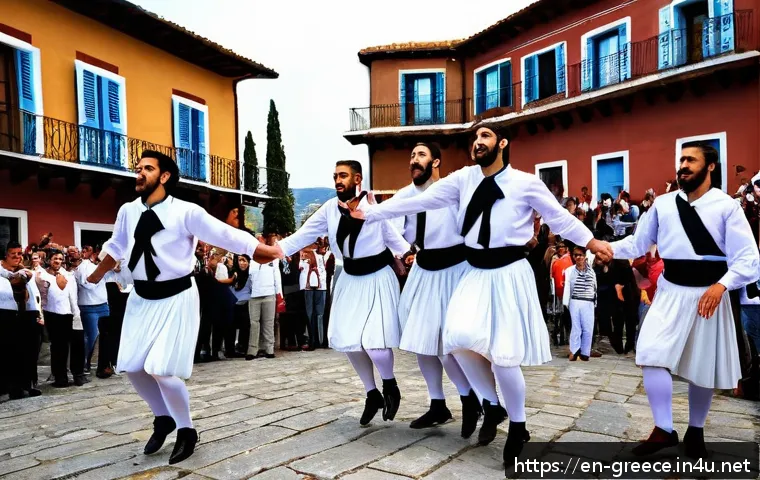
Having experienced such gatherings firsthand, I can attest that the warmth and camaraderie felt during these moments are genuinely heartwarming and unforgettable.
Global Influence and Adaptation
Greek folk music and dance have transcended borders, influencing world music genres and inspiring artists internationally. Yet, despite global adaptations, the core of these traditions remains intact, rooted in authenticity.
I’ve seen dance troupes abroad faithfully replicate Greek dances, sometimes blending them with contemporary styles to appeal to wider audiences. This cross-cultural exchange highlights the universal language of rhythm and movement.
Regional Flavors: A Mosaic of Styles
Island Variations
The Aegean islands each bring their unique flair to folk traditions. For example, dances from Rhodes or Naxos often feature lighter, more fluid movements reflecting the maritime lifestyle.
The music, too, incorporates instruments like the santouri, adding delicate textures. I recall a sunset performance on an island where the gentle sea breeze seemed to harmonize perfectly with the dancers’ flowing steps, creating a magical atmosphere.
Mainland Traditions
In contrast, mainland Greece offers a variety of robust and sometimes solemn dances linked to agricultural cycles and historical events. Regions like Epirus showcase slower, more contemplative music, while Thessaly features vigorous rhythms.
Visiting these areas, I noticed how the landscape and lifestyle directly influence the character of their folk expressions.
Mountain Influences
Mountainous areas tend to have dances and music that emphasize endurance and strength, mirroring the challenging environment. The use of instruments like the clarinet and the lyra is prominent here, with melodies often echoing the natural surroundings.
Experiencing a mountain festival, I was struck by the raw, earthy energy that permeated every song and step.
Understanding the Dance Steps and Rhythms
Complexity in Simplicity
At first glance, Greek folk dances might appear straightforward, but many incorporate intricate footwork and timing that require practice. I found that even when joining in as a beginner, the communal nature of the dances made learning enjoyable and less intimidating.
The steps often follow specific rhythmic patterns that correspond to the music’s unique time signatures, such as 7/8 or 9/8, which give the dances their characteristic feel.
Rhythmic Diversity
Greek music features an array of rhythmic cycles uncommon in Western music, which can be challenging yet rewarding to grasp. This diversity allows for expressive variation, from lively, syncopated beats to slow, solemn tempos.
Musicians and dancers often communicate nonverbally to maintain synchronization, creating a dynamic performance that feels both spontaneous and deeply rehearsed.
Emotional Expression Through Movement
The dances are more than mechanical steps; they’re an emotional outlet. Joy, sorrow, hope, and defiance are conveyed through the intensity of movements and facial expressions.
When I observed a wedding dance, the bride’s radiant smile combined with the delicate hand gestures told a story of new beginnings and communal blessings, demonstrating how dance serves as a living narrative.
Key Elements of Greek Folk Traditions at a Glance
| Element | Description | Example |
|---|---|---|
| Dance Style | Varies by region; includes circle, line, and solo dances often symbolizing community and history | Kalamatianos (circle dance) |
| Musical Instruments | Traditional instruments like bouzouki, lyra, and clarinet define the soundscape | Bouzouki for lively tavern music |
| Costumes | Region-specific attire rich with symbolic embroidery and colors | Cretan costume with elaborate embroidery |
| Rhythms | Complex time signatures (7/8, 9/8) creating unique dance beats | Sirtaki’s accelerating rhythm |
| Cultural Role | Preserving history, fostering social bonds, and expressing identity | Village festivals and weddings |
In Conclusion
Greek folk traditions are a vibrant tapestry of music, dance, and cultural heritage that continue to thrive through community participation and storytelling. Experiencing these celebrations firsthand reveals the deep emotional connections and pride shared among participants. These traditions not only preserve history but also create lasting bonds that unite generations. Their timeless appeal lies in the blend of joyful expression and profound meaning embedded in every step, note, and costume.
Helpful Information to Know
1. Greek folk dances often involve complex rhythms like 7/8 or 9/8, which give the dances their distinctive feel and challenge newcomers to learn unique timing.
2. Traditional instruments such as the bouzouki, lyra, and clarinet each carry regional significance and add emotional depth to the music.
3. Costumes are more than decorative; they symbolize regional identity and cultural values, often handcrafted with meaningful embroidery.
4. Many communities actively teach these traditions to younger generations, ensuring the cultural heritage is preserved and celebrated continuously.
5. Greek folk music and dance have influenced global artists, demonstrating the universal power of rhythm and storytelling through movement.
Key Takeaways
Greek folk traditions are living cultural expressions that blend history, emotion, and social connection. They thrive because of community involvement, education, and the preservation of regional diversity. Whether through the intricate steps of a dance, the soulful sounds of traditional instruments, or the symbolic costumes worn, each element plays a crucial role in keeping these vibrant customs alive and relevant today.
Frequently Asked Questions (FAQ) 📖
Q: uestionsQ1: What are some of the most popular Greek folk dances and what do they represent?
A: Greek folk dances vary by region but some of the most beloved include the Syrtaki, Kalamatianos, and Hasapiko. Syrtaki, often mistaken as a traditional dance, was actually created for the film “Zorba the Greek” and symbolizes joy and unity.
Kalamatianos is a lively circle dance representing community and celebration, often performed at weddings and festivals. Hasapiko originated from the butcher’s guild in Constantinople and reflects strength and camaraderie.
Each dance tells a story rooted in history, social ties, and cultural values, making them more than just movements—they’re expressions of identity passed through generations.
Q: How can travelers experience authentic Greek folk music and dance during their visit?
A: The best way to immerse yourself is by attending local festivals, tavernas, and cultural events where live folk music and dancing are integral. Many villages host annual celebrations featuring traditional musicians and dancers, often inviting visitors to join in.
In cities like Athens and Thessaloniki, specialized venues offer performances that blend authenticity with accessibility. Additionally, some travel companies provide cultural tours focusing on folk traditions, including workshops where you can learn dances or try traditional instruments firsthand.
Personally, joining a village festival was unforgettable—I felt the genuine warmth and energy that no staged show could replicate.
Q: Why is Greek folk music and dance still relevant in modern times?
A: Greek folk traditions serve as a living link to the past, preserving stories, emotions, and communal values that modern life often overlooks. In a fast-paced world, these dances and songs offer a sense of belonging and continuity, connecting people across generations and even countries.
They’re also a way for Greeks and enthusiasts worldwide to celebrate resilience, joy, and cultural pride. From my experience, participating in these traditions brings a unique blend of nostalgia and vitality, reminding us that culture is not static but a shared experience that evolves yet stays deeply rooted in its origins.