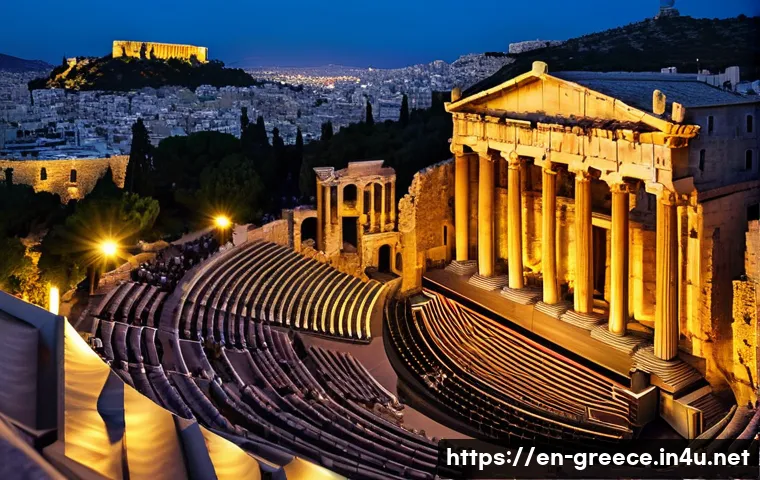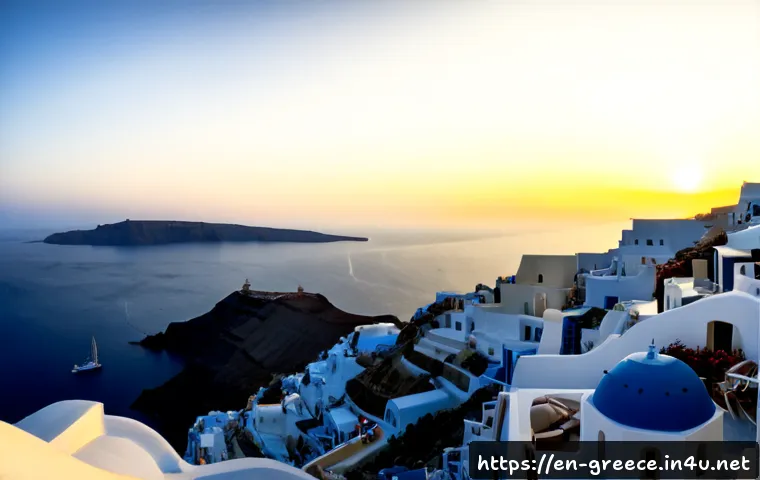
Santorini is worth visiting for both history and scenery: its caldera, villages, and the ancient settlement of Akrotiri all come directly from its volcanic past.
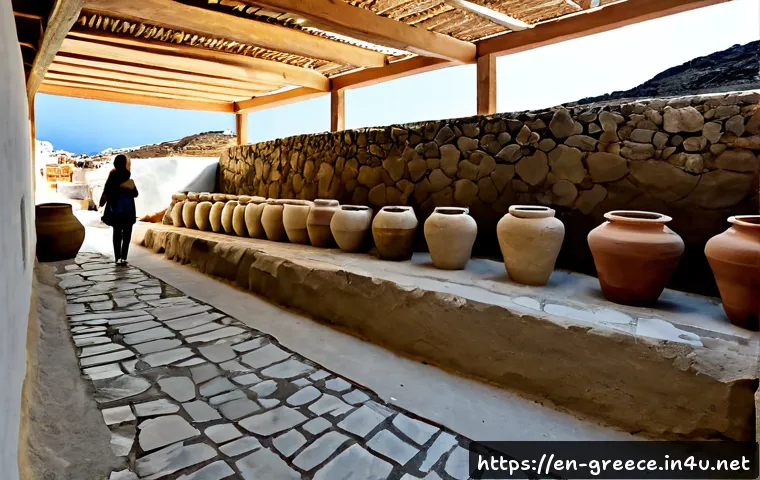
The right trip depends on whether you value a caldera view, easier transport, beach access, quieter village life, or a deeper look at Bronze Age history.
Caldera hotels can be memorable, but they may involve stairs, luggage challenges, and higher demand in peak summer. Akrotiri and volcanic boat excursions add context that a sunset-only itinerary can miss.
Compare location, access, tour details, and transport flexibility before booking.
At a Glance
- Santorini’s caldera was shaped by major volcanic activity, including the Late Bronze Age Thera eruption.
- Akrotiri offers one of the island’s clearest links to ancient Aegean life, while villages provide the classic caldera experience.
- Your best base depends on the balance you want between views, mobility, transport access, beach time, and accommodation value.
| Area | Atmosphere | Access and Transport | Views and Typical Value |
|---|---|---|---|
| Oia | Iconic, scenic, and sunset-focused | Check walking routes and luggage access carefully | Strong caldera appeal; demand can be high |
| Fira | Lively central-town base | Useful for travelers comparing local transport options | Caldera-facing choices with practical access nearby |
| Imerovigli | Calmer and view-oriented | Confirm steps, paths, and transfer drop-off details | Caldera setting with a quieter feel than busier centers |
| Pyrgos | Village character and a less coastal perspective | Useful for travelers considering a rental vehicle or transfer | Can suit travelers prioritizing village life over a caldera-front stay |
| East and South Beach Areas | Beach-oriented and more relaxed | Consider local buses, taxis, private transfers, or car rental needs | Often a practical alternative to paying primarily for caldera views |
Why Santorini’s Volcanic Past Still Shapes the Visitor Experience
Santorini is a volcanic island group in the Cyclades, in Greece’s Aegean Sea. Its defining visual feature, the caldera, is not simply a scenic backdrop: it is the result of major volcanic activity, including the Late Bronze Age Thera eruption. That history explains why caldera villages, volcanic landscapes, dark-toned beaches, and local agriculture feel connected rather than separate attractions.
A Quick History of the Caldera and the Late Bronze Age Eruption
The caldera creates the broad volcanic basin seen from Fira, Oia, Imerovigli, and other elevated settlements. A room marketed as caldera-facing may offer a distinctive outlook, but travelers should still check the exact terrace, nearby paths, privacy, and access route. A “view hotel” is not automatically the best choice if stairs, crowds, or difficult luggage handling would affect the stay.
Why Akrotiri Matters for Ancient Aegean Culture
The ancient settlement of Akrotiri was buried beneath volcanic ash and preserves evidence of a sophisticated Bronze Age community. For travelers interested in Santorini history, it gives the island more depth than a simple beach-and-sunset itinerary. Pairing Akrotiri with a museum visit, village walk, or guided archaeology tour can make the volcanic story easier to follow.
What You Can Understand Without a Specialist Guide
You can explore village streets, caldera viewpoints, and the Akrotiri area independently. A paid guide may be more useful when you want interpretation of the settlement, its archaeological context, and the connection between the eruption and Santorini’s landscape. Before booking a guided history tour, compare group size, time at the site, language, accessibility, cancellation terms, and transport inclusion.
Where to Stay: Caldera Views, Village Life, or Beach Access?
The best Santorini hotel area is the one that matches your daily plans. A caldera-view stay can be worth the added cost when the view itself is a major part of the trip and you are comfortable with the property’s approach. Beach-area accommodation may offer better overall trip value for travelers who expect to spend more time swimming, driving, or exploring beyond the caldera.
Oia, Fira, Imerovigli, Pyrgos, and Beach Areas Compared
Oia suits travelers who place iconic scenery and sunset atmosphere first. Fira can be a practical base for travelers comparing buses, tours, and central services. Imerovigli is a strong option for a quieter caldera setting. Pyrgos may appeal to visitors who prefer village character. East- and south-side beach areas shift the focus toward beach access rather than caldera views.
View, Privacy, Stairs, and Luggage Handling
Do not book based on photographs alone. Check whether the property has steps, whether a taxi or private transfer can reach the closest access point, and how luggage is handled. Ask about the specific room’s outlook rather than assuming every room has uninterrupted sunset views. These details matter especially for travelers with limited mobility or anyone arriving with heavy bags.
When a Caldera-View Hotel Is Worth It
Choose a caldera-facing hotel when you want time on the terrace or balcony to be a central part of the holiday. Choose a village or beach-area stay when you would rather direct more of the budget toward a sailing tour, guided Akrotiri visit, rental vehicle, or longer stay. The better option is not the most photographed one; it is the one that supports your actual itinerary.
Planning Historical Sites, Volcano Trips, and Scenic Activities
A balanced Santorini plan usually combines one history-focused activity with one landscape-focused activity. Akrotiri provides archaeological context, while a volcano or caldera cruise shows the setting from the water. Avoid packing every activity into one short day, especially if you also want time for village walks and sunset viewing.
Akrotiri, Museums, Village Walks, and Context
Start with Akrotiri if history is your priority. Then use Fira, Oia, Imerovigli, or Pyrgos as places to observe how the island’s settlements relate to the terrain. Check current opening details and any temporary restrictions for archaeological sites, hiking routes, beaches, or volcanic areas before finalizing the day.
Boat Excursions to Volcanic Landscapes and Hot Springs
Caldera cruises and sailing tours vary considerably. Compare the route, total sailing time, stop locations, group size, pickup arrangement, food or drinks if offered, and cancellation policy. A longer itinerary is not always better if it reduces time you want to spend in villages or at Akrotiri.
Independent Exploration Versus Guided Tours
Independent travel works well for self-guided village exploration and flexible beach time. A guided archaeology tour can add value when historical interpretation matters. A sailing excursion may suit travelers who want an organized way to experience the caldera, but exact routes and accessibility should be confirmed directly with the provider.
Transport, Timing, and Common Santorini Planning Mistakes

Flights and ferries connect Santorini with Athens and other Greek destinations, but schedules can vary by season and weather. Build flexibility into arrival and departure plans rather than treating every connection as fixed. Local buses, taxis, private transfers, and rental vehicles each solve different problems.
Flight, Ferry, Transfer, and Rental Vehicle Considerations
A flight can suit travelers with limited time. A ferry can fit a wider Greek island itinerary, but seasonal and weather-related changes should be considered. For accommodation away from central transport routes, compare a private transfer with car rental options. If you rent a vehicle, think about where you plan to park and whether narrow village roads fit your comfort level.
How Season Changes the Experience
Peak summer generally brings heavier crowds and higher demand for accommodation, transport, and popular tours. It can also mean more competition for sunset spaces and limited flexibility around preferred times. Outside the busiest period, conditions may feel different for swimming, ferry planning, and tour availability, so verify what is operating for your dates.
Avoiding Rushed Day Trips and Sunset Congestion
Common mistakes include scheduling Akrotiri, a boat trip, and a sunset stop too tightly; assuming every caldera path is easy; and booking a hotel without reviewing access details. Leave room for transport delays, uphill walking, and a slower evening. A quieter viewpoint or hotel terrace may be more satisfying than chasing every famous sunset location.
Santorini Itineraries by Travel Style
First-Time Visitors Seeking Scenery and History
Choose a base with convenient transport, reserve time for Akrotiri, and add one caldera activity such as a boat excursion or a scenic village walk. Fira can be useful when central access is more important than a secluded setting. Keep one unstructured period for exploring rather than booking every hour.
Couples Prioritizing Quiet Stays and Sunsets
Consider Imerovigli, Pyrgos, or a carefully selected caldera hotel if privacy and atmosphere matter most. Confirm room-specific views, stairs, and nearby paths before committing. A smaller number of well-chosen activities can feel more relaxed than a schedule built around every major viewpoint.
Budget-Conscious Travelers and Self-Guided Exploration
Look beyond the best-known caldera addresses. Village stays or beach-area accommodation may leave more room for transport, a guided history activity, or a modest sailing experience. Use local buses where they match your route, and assess whether a rental vehicle is genuinely useful for the places you intend to visit.
Selection Criteria and Comparison Summary
Before booking, compare hotel access and stairs, the exact room view, distance to transport or beaches, tour route and cancellation terms, ferry versus flight flexibility, and rental transport or travel insurance conditions. A caldera stay may be the right splurge, but only if it improves the experience you actually want. For hotel, cruise, transfer, rental car, and travel insurance options, review the full details and conditions on the relevant booking page before paying.
Final Thoughts
Santorini rewards travelers who treat scenery and history as parts of the same story. The caldera explains the views, while Akrotiri gives the island an ancient human dimension. Choose a base that fits your walking comfort and transport plans, then leave enough time to enjoy the landscape without rushing. A simple, well-spaced itinerary is often more valuable than trying to cover every viewpoint.
Useful Things to Know
1. Caldera-facing does not always mean easy access or a fully private view.
2. Beach areas are largely on the eastern and southern sides of the island.
3. Santorini’s volcanic soils support vineyards, including those producing Assyrtiko wine.
4. Ferry and flight schedules can change by season and weather.
Important Notes
Exact hotel rates, tour availability, transport schedules, accessibility, route details, and cancellation policies depend on travel dates and individual providers. Archaeological sites, volcanic areas, beaches, and hiking routes may have temporary restrictions. Confirm current conditions directly before making non-refundable reservations.
Frequently Asked Questions
Q1. Is Santorini worth visiting for history, or is it mainly a beach and sunset destination?
A1. Santorini is known for sunsets and caldera scenery, but it also has meaningful historical interest. Akrotiri preserves evidence of a Bronze Age community, and the island’s volcanic history shapes its landscapes, settlements, and local agriculture.
Q2. Which area of Santorini is best for first-time visitors comparing views, transport, and hotel value?
A2. Fira can be a practical choice for travelers prioritizing central access and transport options. Oia and Imerovigli are more strongly associated with caldera views, while Pyrgos and beach areas may suit visitors seeking village character, quieter surroundings, or different value priorities.
Q3. Is a guided Akrotiri or volcano tour worth the cost, or can I visit independently?
A3. Independent exploration can work well for travelers who prefer flexibility. A guided Akrotiri tour may be worthwhile if you want deeper archaeological interpretation, while an organized volcano or sailing trip can simplify logistics. Compare the itinerary, group size, access arrangements, and cancellation terms before deciding.