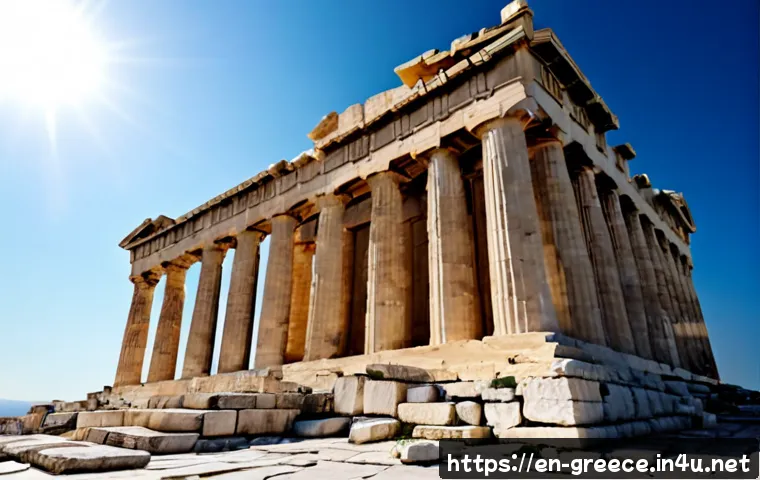
The Parthenon is a 5th-century BCE temple on the Acropolis of Athens, built for Athena, the city’s patron deity. It matters because it combines Classical Athenian history, refined marble architecture, and a long later life as a church and mosque before severe damage in 1687.
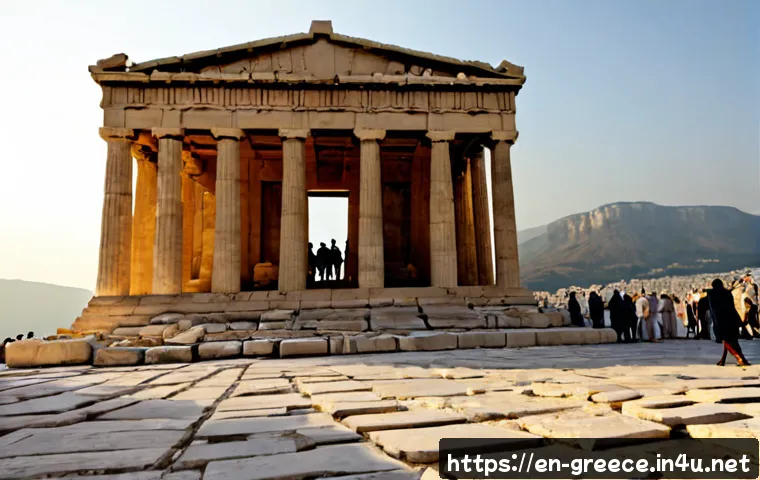
Today, visitors can recognize its monumental form on the Acropolis while using the Acropolis Museum and guided interpretation to understand sculptures and details no longer visible in their original setting.
A standard entry ticket can suit independent travelers, while a licensed guided tour can add useful historical context. The best choice depends on how much time you have, your comfort on uneven paths, and whether architecture, sculpture, or general sightseeing is your priority.
At a Glance
- The Parthenon stands on the Acropolis of Athens and was dedicated to Athena.
- Construction began in 447 BCE, and the main building was completed in 432 BCE.
- It later became a church and a mosque, and an explosion in 1687 caused extensive damage.
| Visit option | Best for | What it adds | Value consideration |
|---|---|---|---|
| Standard Acropolis entry | Independent visitors with a basic plan | Time to see the Parthenon and the wider Acropolis at your own pace | Useful when you prefer to research the history in advance |
| Licensed guided tour | First-time visitors and history-focused travelers | Interpretation of the building, its changing uses, and visible remains | Compare tour length, group size, language, and cancellation terms |
| Acropolis Museum-focused itinerary | Visitors especially interested in sculpture and context | A clearer way to consider surviving Parthenon sculptures and their setting | Allow separate time rather than treating the museum as an afterthought |
The Parthenon in Brief: Its Purpose, Date, and Lasting Importance
The Parthenon was a temple dedicated to Athena, the patron deity of Athens. It was built on the Acropolis during Athens’ Classical period, with construction beginning in 447 BCE and the main building completed in 432 BCE. Its importance is not limited to its age: the monument reflects the ambitions, artistic achievement, and religious life of Classical Athens. For visitors, the key is to see it as more than a landmark photograph.
A temple for Athena on the Acropolis
Its position on the Acropolis gave the temple a commanding setting above Athens. Inside stood the monumental Athena Parthenos statue created by Phidias. The exact details of every ancient ritual performed in and around the building are not fully known, so it is better to distinguish documented history from confident-sounding reconstructions.
Why the 5th century BCE was a defining moment for Athens
The Parthenon belongs to the Classical period of Athens and is associated with the leadership of Pericles. Ictinus and Callicrates are traditionally credited as its architects, while Phidias directed the sculptural program. Together, the architecture, sculpture, and setting made the project a defining statement of Athenian cultural life.
Three key facts first-time readers should know
First, the Parthenon was built as a religious temple, not as a modern museum. Second, the structure visitors see today has changed dramatically through centuries of reuse and damage. Third, many surviving sculptures are divided between Athens and museums abroad, so the story cannot be understood from one location alone.
From Athenian Temple to Global Landmark
The Parthenon’s history is a sequence of major changes, not a frozen moment from antiquity. Understanding that sequence helps visitors avoid the common mistake of imagining the present ruins as the building’s original appearance.
Building the monument under Periclean Athens
The building campaign began in 447 BCE and the main structure was completed in 432 BCE. The project was associated with Pericles and used Pentelic marble. Its scale, finish, and sculptural decoration help explain why the Parthenon became one of the most closely studied monuments of the ancient world.
Architecture, sculpture, and the Athena Parthenos
Phidias directed the sculptural program and created the Athena Parthenos for the interior. The original decorative scheme was more complex than the pale stone appearance often imagined today. However, the exact appearance of all painted surfaces and every sculptural element remains uncertain. A careful guide or museum visit can be useful here because it separates evidence from later assumptions.
Church, mosque, explosion, and later restoration
After antiquity, the Parthenon was converted into a Christian church and later served as a mosque under Ottoman rule. In 1687, gunpowder stored inside detonated during a Venetian bombardment, causing extensive damage. Restoration work and restricted areas are part of the modern site experience, so visitors should not expect unrestricted access around every part of the monument.
What Makes the Building Architecturally Exceptional
The Parthenon is widely admired not simply because it is large or old, but because of the care visible in its design. Even from a distance, visitors can appreciate the relationship between its columns, platform, marble surfaces, and commanding hilltop position.
Doric design with Ionic features
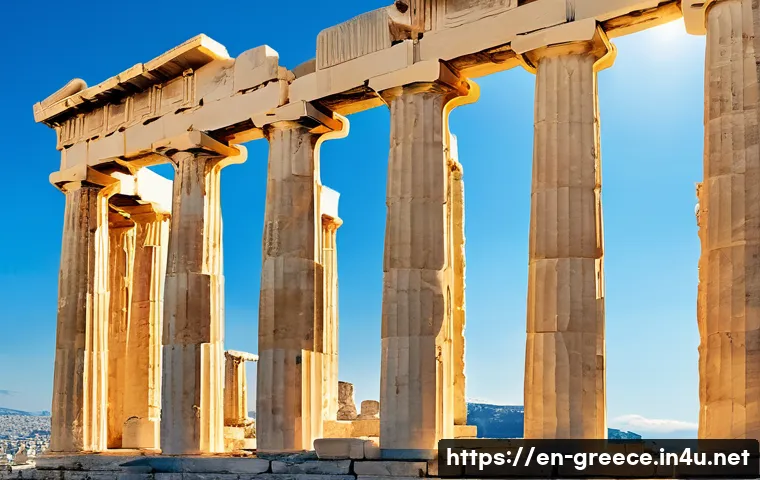
The building is commonly discussed through its Doric design and Ionic features. You do not need an architecture background to benefit from this: look at the repeated rhythm of the columns, the strong horizontal lines, and the way sculpture was integrated into the building rather than added as a separate attraction.
Optical refinements and Pentelic marble
The Parthenon is known for refined optical adjustments in its columns, floor, and horizontal lines. These details are easy to miss when rushing between viewpoints. Pentelic marble also contributes to the building’s visual character, although changing light, weather, distance, and access conditions affect what a visitor can notice on a given day.
What visitors can still recognize on site
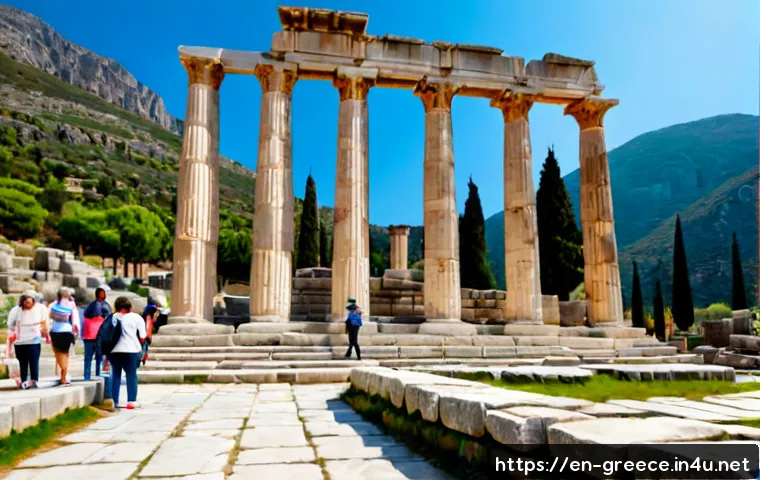
Visitors can still recognize the essential form of the temple, its columns, and its place within the Acropolis landscape. What is harder to see on site is the full sculptural and decorative context. This is where the Acropolis Museum can add real value, especially for travelers who want to understand how fragments relate to the monument rather than simply view them as isolated objects.
Planning an Acropolis Visit: Tickets, Tours, and Museum Value
A good Acropolis plan begins with a simple question: do you mainly want access, explanation, or museum context? There is no single best ticket or tour format for every traveler. Compare the current official information carefully because opening hours, restoration access, ticket conditions, and tour availability can change by season.
Self-guided entry versus a licensed guided tour
A standard Acropolis entry can be enough if you are comfortable reading beforehand and want flexibility. A licensed guided tour may be more worthwhile for a first visit because the guide can connect the temple’s construction, sculpture, later religious uses, and 1687 destruction in a coherent order. Before booking, check whether the tour focuses only on the Acropolis or also includes museum interpretation.
When the Acropolis Museum adds essential context

The museum is particularly helpful if the Parthenon’s sculptures are a major reason for your visit. Since surviving works are divided between Athens and museums abroad, context matters. A museum-focused itinerary can help you understand what remains in Athens, what has been separated, and why the original placement of sculpture on the building is important.
Comparing itinerary time, accessibility, group size, and total cost
Do not compare tours only by headline price. Consider tour length, group size, meeting point, walking demands, accessibility needs, and cancellation terms. The Acropolis includes uneven stone paths, and heat or queues can change the pace of a visit. A city cultural pass may be relevant if it matches your broader Athens itinerary, but check exactly which sites, timings, and conditions are included before choosing it.
Common Visit Mistakes and How to Avoid Them
Most disappointing visits are caused by rushed expectations rather than lack of interest. A little planning makes it easier to focus on the monument instead of logistics.
Treating the Parthenon as a single photo stop
A quick photograph can be memorable, but it does not explain why the building matters. Pause to consider its original religious purpose, the role of Athena, the precision of the architecture, and the centuries of later change. If those subjects matter to you, reserve enough time for interpretation through a guide, an audio resource, or the museum.
Underestimating heat, queues, and uneven walking surfaces
Bring appropriate footwear and allow extra time rather than planning a tightly packed schedule. Conditions on the Acropolis can involve heat, crowds, queues, and uneven surfaces. Travelers who need a slower pace should review current accessibility information and route details before committing to a particular guided walking tour.
Confusing original sculptures, replicas, and later repairs
The Parthenon has a complex survival story. Not every element seen near or on the monument represents an untouched ancient original, and many sculptures are not together in one place. Ask guides or museum staff what you are looking at, and avoid assuming that every missing detail has a certain reconstruction.
Choosing the Right Parthenon Experience: Comparison Summary
Choose standard entry if flexibility and independent exploration matter most. Choose a licensed guided tour if you want historical interpretation without assembling the story yourself. Add the Acropolis Museum if sculpture, architectural context, and the divided location of surviving works are central to your interests.
Best choice for first-time Athens visitors
For many first-time visitors, a guided Acropolis experience can make the site easier to understand because the visible ruins represent several historical periods at once. If you prefer to move independently, pair standard entry with a clear reading plan and leave time to observe the building rather than rushing through it.
Best choice for history-focused travelers
History-focused travelers may get the most from combining the Acropolis with the Acropolis Museum. This approach creates a stronger connection between the temple’s setting, its sculptural program, and the fragments that survive in different collections.
Questions to check before booking a tour or cultural pass
Compare tour length, group size, guide credentials, museum inclusion, walking conditions, accessibility support, cancellation terms, and current access restrictions. For official guidance and detailed conditions, check the relevant ticket, tour, or cultural pass page before booking.
Final Thoughts
The Parthenon is best understood as both an ancient temple and a monument with a long, complicated afterlife. Its Classical construction, architectural refinements, later conversions, and 1687 destruction are all part of the same story. Give yourself time to look closely, not just take a photo. A thoughtful ticket or tour choice can make that time more meaningful.
Useful Things to Know
1. The Parthenon was dedicated to Athena.
2. The main building was completed in 432 BCE.
3. Pentelic marble and optical refinements are central to its architectural reputation.
4. The Acropolis Museum can provide important sculptural context.
5. Current access, hours, and tour availability should always be checked before a visit.
Important Notes
Some aspects of the Parthenon’s original painted decoration and religious practice are not known in full detail. Ticket prices, opening hours, restoration work, restricted-access areas, and guided tour availability can change. Confirm current conditions through official information and the specific operator’s booking details.
Frequently Asked Questions
Q1. Why was the Parthenon built?
A1. The Parthenon was built as a temple dedicated to Athena, the patron deity of Athens. It was constructed on the Acropolis during Athens’ Classical period, beginning in 447 BCE and reaching main completion in 432 BCE.
Q2. Is a guided Acropolis tour worth the additional cost for first-time visitors?
A2. It can be worthwhile if you want help connecting the temple’s architecture, sculpture, later use as a church and mosque, and the damage caused in 1687. Compare guide credentials, group size, duration, accessibility needs, and cancellation terms before deciding.
Q3. Should visitors see the Acropolis Museum before or after the Parthenon?
A3. Either order can work. Seeing the Parthenon first lets you experience its original setting before studying the sculptural context. Visiting the museum first may help you notice more architectural and sculptural details on the Acropolis. Choose based on your schedule, energy level, and interest in the surviving sculptures.