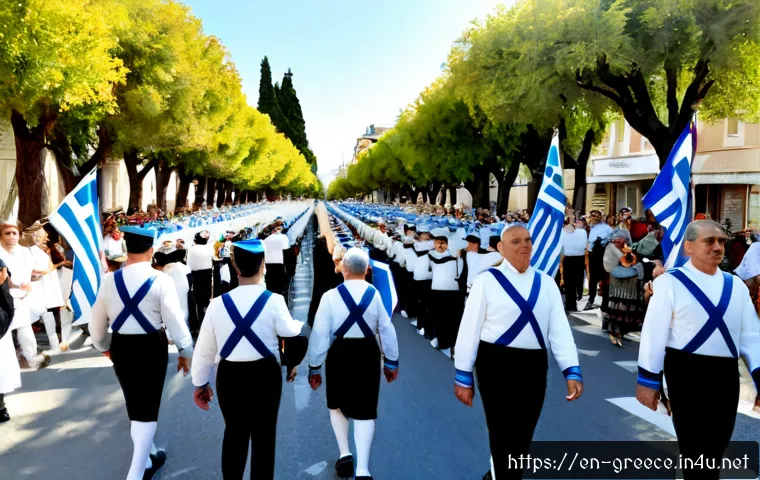
Plan around Greece’s public holidays and major festivals with a practical guide to closures, Easter timing, regional celebrations, transport demand, and smarter booking decisions.
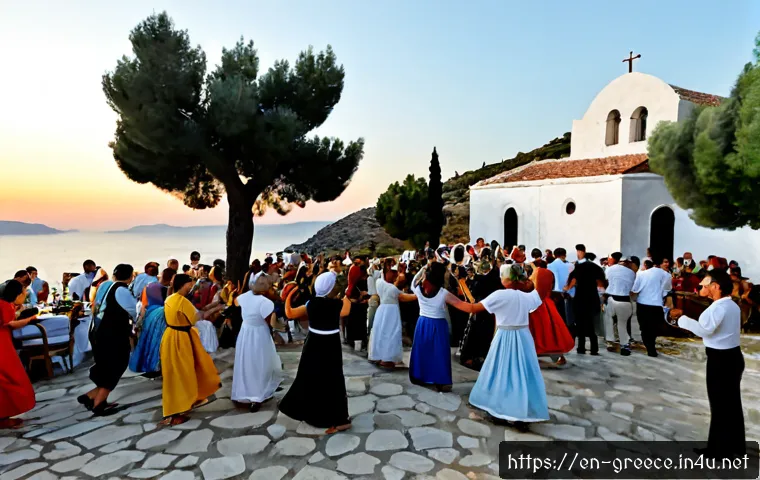
Greece’s most important holiday periods for travelers are Orthodox Easter, Assumption Day on August 15, and busy summer local festivals. Expect the greatest risk of adjusted opening hours and high transport demand around Easter, while August 15 can combine seasonal island demand with holiday closures.
Fixed national holidays are easier to place on an itinerary, but Orthodox observances change each year and should be checked before booking. Restaurants and tourism businesses may still operate, although banks, public services, and many shops can close or use reduced hours.
Flexible ferry tickets, refundable hotels, and practical transport access can be worth comparing when your dates overlap with a major celebration. A local festival can add memorable culture to a trip, but its program, access rules, and crowd level should always be confirmed locally.
At a Glance
- Orthodox Easter creates some of the highest domestic travel demand for ferries, flights, intercity buses, and popular destinations.
- August 15 is a fixed national holiday that falls during peak summer travel and may affect shops, public services, and transport availability.
- Local summer panigyria can be rewarding cultural events, but schedules, admission arrangements, and transport options vary by place.
| Travel period | Typical crowd risk | Closure risk | Booking urgency | Best suited to |
|---|---|---|---|---|
| Orthodox Easter | High for domestic transport and popular destinations | High or adjusted hours for public services, banks, and many shops | High for ferries, flights, hotels, and car rental | Travelers seeking Easter traditions who can plan carefully |
| August 15 | High in summer destinations, including islands and villages | Possible closures or reduced hours on the holiday | High, especially when transport and accommodation are limited | Summer visitors who want a cultural holiday atmosphere |
| Summer local festivals | Varies widely by destination and event | Usually event-specific rather than nationwide | Moderate to high when a festival draws visitors to a small area | Food, music, dancing, and community-culture travelers |
The Quick Answer: Which Greek Holidays Matter Most for Travelers?
If your itinerary includes islands, village stays, or intercity travel, Orthodox Easter deserves the most attention. It is one of Greece’s busiest domestic-travel periods, so transport capacity and accommodation choices can become more important than usual. Assumption Day on August 15 also matters because it arrives in the middle of the summer season, when many destinations already have strong travel demand.
Fixed public holidays versus Orthodox movable dates
Fixed national holidays include New Year’s Day on January 1, Epiphany on January 6, Independence Day on March 25, Assumption Day on August 15, Ohi Day on October 28, Christmas Day on December 25, and Boxing Day on December 26. These dates are straightforward to add to a trip calendar.
Clean Monday, Good Friday, Easter Monday, and Pentecost-related observances follow the Greek Orthodox calendar and change from year to year. Greek Orthodox Easter can fall on a different date from Western Easter, which can affect school breaks, business hours, and transport demand. Confirm the relevant year’s calendar before choosing non-refundable travel.
When closures, crowds, and sold-out transport are most likely
Closures are most likely to affect public services, banks, and many shops. Restaurants, cafés, and tourism businesses often remain available, but reduced or adjusted hours are possible. Do not assume that a museum, archaeological site, retail store, ferry route, or restaurant will follow the same schedule as another business nearby.
For travel demand, Easter is the key period to watch. Ferries, intercity buses, flights, and routes connecting major cities with islands or villages may be especially important to verify. A holiday itinerary works best when the transport plan is confirmed before restaurant reservations, guided tours, or day trips are locked in.
What to confirm before finalizing an itinerary
Check the exact holiday date, opening hours for essential sights, and the operating schedule for every transport segment. If you are arriving late or moving between islands, also consider hotel location and transport access. A lower room rate is less useful if the property is difficult to reach during a reduced timetable.
Holiday Travel Comparison: Crowds, Closures, and Booking Value
Orthodox Easter: the biggest planning period for domestic travel
Orthodox Easter can be an excellent time to experience Greek traditions, but it requires more deliberate planning than an ordinary city break. Popular island and village destinations may see increased domestic travel, while ferries, flights, and intercity buses can be in greater demand. The exact dates change each year, so a calendar check is the first step.
When schedules are tight, compare flexible fares with restrictive tickets rather than looking at the initial price alone. A transport option with change or cancellation terms may reduce disruption risk if a connection changes. The same principle applies to hotel booking and car rental: read the conditions before assuming that a reservation can be altered.
Summer celebrations and Assumption Day: local culture with high seasonal demand
Assumption Day on August 15 is a national holiday during Greece’s summer travel season. It can bring a mix of holiday closures, strong accommodation demand, and busy transport links. For island-hopping travelers, it is sensible to treat this date as a planning checkpoint rather than an ordinary mid-summer day.
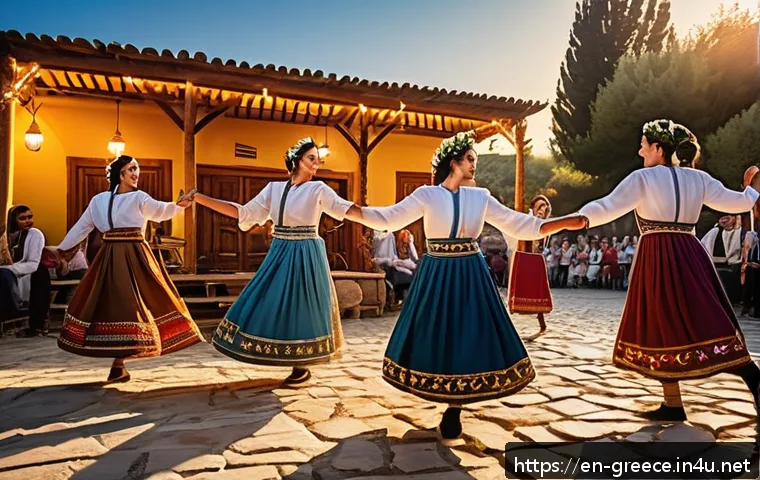
Summer is also the season for many panigyria, local religious feasts that may include food, music, dancing, and community celebrations. These events can be a highlight of a village stay, yet the date, program, admission policy, and crowd level are not standardized. Ask your accommodation provider, local municipality, or event organizer for current details before building a trip around one.
Winter and national holidays: city breaks, museum hours, and reduced services
Winter fixed holidays such as Christmas, Boxing Day, New Year’s Day, and Epiphany can suit a city-focused visit, but business hours may differ from normal schedules. Independence Day and Ohi Day can also affect public services and retail operations. Museums, archaeological sites, and municipal events may have separate holiday arrangements, so official opening information matters more than general assumptions.
Key Dates to Put on a Greece Trip Calendar
Fixed national observances
Add January 1, January 6, March 25, August 15, October 28, December 25, and December 26 to your calendar. These dates are useful markers for checking hotel availability, restaurant plans, car-rental collection hours, and attraction schedules.
May 1 is widely observed as Labour Day. In some years, it may be moved when it conflicts with Orthodox Easter observances, so verify the current arrangement rather than relying on a generic calendar.
Movable Orthodox observances
Clean Monday, Good Friday, Easter Monday, and Pentecost-related observances need a year-specific check. Their timing can influence school breaks, local travel patterns, operating hours, and the availability of ferry tickets or flights. Greek Orthodox Easter dates should not be assumed to match Western Easter.
Local feast days, carnival events, and cultural festivals
Major festivals, museum events, and municipal celebrations have schedules separate from national public holidays. A local feast day may create a lively evening in one town while having little effect a short distance away. Treat every festival as destination-specific: verify the venue, start time, access, and local transport plan.
How to Avoid Common Holiday Planning Mistakes
Checking ferry, flight, and intercity bus schedules early
Holiday travel planning should start with the least flexible part of the route. For many visitors, that means a ferry departure, flight connection, or intercity bus service. Once those details are confirmed, choose hotels and guided experiences that fit realistic arrival and departure times.

If your itinerary depends on multiple connections, compare options based on departure timing, change conditions, luggage or vehicle needs, and access to the port or terminal. A ticket that looks convenient online may not work well if it leaves little room for a delayed prior segment.
Confirming archaeological-site, museum, and retail hours
National holidays do not produce one universal rule for attractions. Public services, banks, and many shops may close, while tourism businesses may operate with reduced or adjusted hours. Check each archaeological site, museum, restaurant, and store individually, particularly if it is the main reason for visiting a destination.
Choosing refundable stays and flexible transport when demand is high
During Orthodox Easter, August 15, or a major local event, cancellation terms can be a meaningful comparison point. Flexible hotel booking, ferry tickets, flights, or car rental may cost differently from more restrictive choices, but they can provide practical room to adjust an itinerary. Review what changes are permitted, when a cancellation is allowed, and whether the location remains convenient if transport plans shift.
Planning by Travel Style and Destination
Island-hopping travelers
Island-hopping depends heavily on ferry schedules, and holiday demand can make route planning more sensitive. Prioritize confirmed crossings, realistic port transfers, and accommodation close to the arrival point when needed. Around Easter and August 15, avoid assuming that a later alternative will be easy to arrange.
Athens and city-break visitors
Athens offers many options for dining and tourism, but holiday operating hours still need confirmation. Build a flexible day around outdoor areas and neighborhoods if a museum or retail plan changes. For guided tours, confirm the meeting point, attraction access, and the organizer’s holiday schedule before booking.
Families, road-trip travelers, and village-festival visitors
Families coordinating school breaks should pay close attention to movable Orthodox dates. Road-trip travelers should confirm car-rental collection arrangements and accommodation access on public holidays. Visitors hoping to attend a village festival should plan the stay around the local event only after its current details have been verified.
Selection Criteria and Comparison Summary
Choose and Compare Before Booking: start with the holiday date and your essential transport route. Then compare flexible ferry or flight conditions, hotel cancellation rules, the property’s location, car-rental collection details, and access to ports, airports, or intercity bus stations. If a local festival is central to the trip, confirm its schedule and entry policy separately from your accommodation reservation. Official notices and detailed booking conditions should be checked on the relevant provider or organizer page before payment.
Choose dates based on culture, convenience, or lower travel costs
Choose Orthodox Easter if local traditions are a priority and you can plan around higher domestic travel demand. Choose August 15 with awareness that it combines a public holiday with summer travel pressure. Choose dates outside major holiday periods if convenience and simpler scheduling matter more than a specific celebration.
Compare accommodation location, cancellation conditions, and transport reliability
A useful comparison is not only room type or ticket fare. Consider whether the accommodation is reachable after arrival, whether transport times align with check-in, and whether booking terms fit a holiday-period itinerary. These details can matter more when schedules are adjusted or demand is high.
Final pre-departure holiday checklist
Confirm the current Orthodox calendar date; recheck ferry, flight, or bus schedules; verify opening hours for key sights; review hotel and car-rental terms; and confirm any festival program directly with the local organizer. Keep enough flexibility for an adjusted timetable.
In Closing
Greek public holidays can add depth to a trip, from Easter traditions to summer village celebrations. They can also affect the practical side of travel, especially transport, opening hours, and accommodation availability. The safest approach is to identify fixed and movable dates early, then verify each important service individually. A flexible itinerary is particularly valuable when travel overlaps with Orthodox Easter or August 15.
Useful Things to Know
1. Fixed holidays are easy to calendar, while Orthodox observances change each year.
2. Easter is a major domestic-travel period, so transport deserves early attention.
3. Panigyria are local events, not standardized national festivals.
4. Tourism businesses may operate on a holiday, but their hours can differ from normal.
5. May 1 may be moved in some years when it conflicts with Orthodox Easter observances.
Important Notes
Exact dates for movable holidays, individual opening hours, ferry routes, festival programs, admission policies, and travel prices must be checked for the specific year and destination. This guide cannot confirm whether a particular museum, hotel, shop, restaurant, transport service, or local event will operate on a given holiday. Booking conditions and schedules can vary by provider and demand.
Frequently Asked Questions
Q1. Do attractions and restaurants close during public holidays in Greece?
A1. Public services, banks, and many shops may close on national holidays. Restaurants, cafés, and tourism businesses often operate, but may use reduced or adjusted hours. Check each attraction or restaurant directly before visiting.
Q2. Is Greek Orthodox Easter a good time to visit Greece, and should travelers expect higher prices?
A2. It can be a rewarding time for travelers interested in Easter traditions, but it is also one of Greece’s busiest domestic-travel periods. Ferries, flights, intercity buses, and popular destinations may be in higher demand. Actual prices vary by route, booking date, vehicle type, and demand, so compare terms and availability before booking.
Q3. How far ahead should I book ferries and hotels for August 15 or a major local festival?
A3. There is no single lead time that applies to every route or destination. August 15 falls during the summer season, and major local festivals can increase demand in specific areas. Check current availability early, compare cancellation conditions, and confirm the festival details before making non-refundable reservations.