Oh, Greece! Just the name instantly conjures up visions of sun-drenched islands, ancient wonders, and turquoise waters that seem to stretch into eternity.
It’s absolutely a dream destination for so many, myself included, and I’ve been lucky enough to revisit this incredible country countless times. But let’s be real, a Greek getaway can feel a little intimidating on the wallet, especially with all the buzz about rising costs and popular spots getting pricier.
That’s why I’ve made it my mission to uncover how you can truly soak up all of Greece’s magic—from savoring authentic souvlaki to exploring hidden coves—without watching your euros disappear faster than you can say “Yiasas!” I’ve personally discovered that a truly unforgettable Hellenic adventure doesn’t have to break the bank if you know a few insider tricks, and trust me, I’m bursting to share them.
If you’re yearning for that quintessential Greek experience but are a bit worried about managing your budget, you’ve landed in the perfect place. Let’s dive in and unlock the secrets to an affordable Greek escape!
Navigating the Culinary Delights Without the Tourist Trap Prices
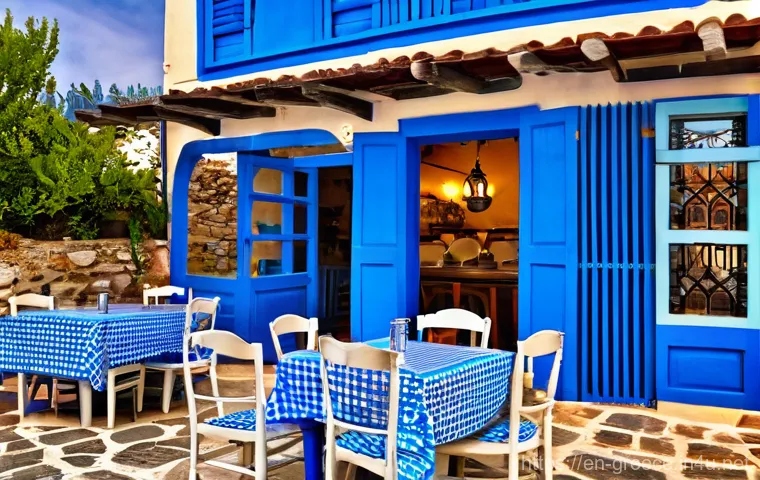
Oh, my goodness, the food in Greece! Just thinking about it makes my mouth water. I swear, some of my happiest memories there involve sitting at a bustling taverna, laughing with friends, and devouring plate after plate of incredible dishes.
But let’s be real, it’s easy to fall into the trap of overpaying for mediocre food in super touristy areas. My secret? I always make a point to wander a few blocks off the main drag.
Seriously, that’s where the magic happens! I’ve stumbled upon the most authentic, family-run eateries with hand-written menus and grandmas bustling in the kitchen – those are the places where you taste Greece, not just eat a meal.
Don’t be shy; peek into a few places, see where the locals are eating, and you’re almost guaranteed to find a delicious and much more affordable experience.
The portions are usually generous, too, so sometimes my partner and I just share a few appetizers, known as mezedes, and feel perfectly satisfied. It’s not just about saving money; it’s about experiencing the true heart of Greek hospitality through its incredible cuisine.
Savoring Authentic Taverna Fare
When I’m hunting for that truly authentic Greek meal, I have a little ritual. I head out a bit earlier than the main dinner rush, around 7 PM, and just take a stroll.
I look for tavernas that might not have a glossy English menu plastered outside but instead have a few tables occupied by what are clearly locals, perhaps a group of elderly men sipping ouzo or a family enjoying a long dinner.
I’ve found that asking for the “dish of the day” (to kima, if you’re brave enough to try a little Greek!) often leads to the freshest and most economical option.
One time, I was in a tiny village on Paros, and the owner literally invited me into the kitchen to point out what was simmering on the stove – now that’s an experience you can’t put a price tag on, even if the food bill was delightfully low!
Those meals, simple yet bursting with flavor, are always the ones I remember most vividly.
Mastering the Art of the Greek Bakery
You absolutely cannot go to Greece without becoming intimately familiar with its bakeries, or “fourni.” Forget your hotel breakfast; my favorite way to start the day, or grab a quick, cheap lunch, is to pop into a local bakery.
They are everywhere and they are treasure troves! Think savory spanakopita (spinach pie) or tiropita (cheese pie) for just a couple of euros, usually fresh out of the oven and incredibly satisfying.
And the sweet treats? Oh my! From syrupy baklava to various cookies, they are perfect for a little pick-me-up.
I often grab a coffee and a pastry for less than half the price of a sit-down breakfast, and I get to enjoy it walking through charming streets or by the sea.
It’s a game-changer for budget travel and a delightful cultural immersion.
Unlocking Affordable Stays: Beyond the Boutique Hotels
Finding the perfect place to lay your head in Greece without emptying your wallet can sometimes feel like a quest, especially when you see those dreamy boutique hotels with their infinity pools on Instagram.
Trust me, I get it. But after countless trips, I’ve realized that some of my most cherished stays have been in the most unassuming places. It’s about looking past the obvious and embracing the charm of smaller, family-run establishments.
These aren’t just places to sleep; they often offer a genuine glimpse into Greek life, with owners who are more than happy to share local tips, offer you a homemade treat, or just chat about their village.
I remember one guesthouse in Crete where the owner, Maria, brought us fresh oranges from her garden every morning. That personal touch is priceless and something you rarely get from a big, impersonal resort.
The Charm of Guesthouses and Family-Run B&Bs
I’ve learned that ditching the big-name hotel chains for a local guesthouse or a family-run bed and breakfast is one of the best moves you can make for your budget and your experience.
These places often offer incredible value, usually including a simple but delicious homemade breakfast. Plus, the hospitality is often unparalleled. The owners are typically locals who are passionate about their area and happy to give you insider tips on the best beaches, tavernas, or hidden hiking trails that aren’t in any guidebook.
I once stayed at a little place in Nafplio where the owner insisted on driving me to a secluded beach every morning because she knew I loved quiet spots.
It felt like I was visiting family, not just staying in a hotel, and the price was unbelievably reasonable compared to what I saw online for similar amenities.
Exploring Apartment Rentals for Longer Stays
If you’re anything like me and love to settle in for a bit longer in one spot, then apartment rentals are an absolute lifesaver for your budget. Platforms like Airbnb or local Greek rental sites can offer fantastic deals, especially if you’re staying for a week or more, as many hosts offer discounts for extended stays.
Having your own kitchen means you can cook some of your meals, which is a huge money-saver compared to eating out for every single bite. Plus, it’s so much fun to hit up the local market, pick out fresh produce, and try your hand at making a Greek salad or some simple pasta with local ingredients.
I love the feeling of truly living like a local, even if it’s just for a short time, and the flexibility it offers is just incredible.
Master Your Journey: Smart Travel & Getting Around Greece
Oh, the romance of traveling through Greece! It’s truly something special, whether you’re island hopping across the Aegean or weaving through the ancient streets of Athens.
But how you choose to get from point A to point B can seriously impact your budget. I’ve tried just about every mode of transport, from zippy little scooters to long-haul buses, and I’ve certainly learned a thing or two about making smart choices.
My biggest takeaway? Don’t assume one mode of transport is always best. Sometimes, a ferry is your best friend for an island escape, while other times, a local bus ride through a quaint village offers an unexpected adventure.
It’s all about mixing and matching based on where you’re going and how much time you have.
The Joys of Local Buses and Ferries
When I first started exploring Greece on a budget, I quickly fell in love with local buses and ferries. They are, hands down, the most economical way to travel between cities on the mainland or hop between islands.
The bus network, especially on the mainland and larger islands, is incredibly efficient and super comfortable, often with air conditioning! You get to see the landscape whiz by, and it feels much more authentic than just flying over it.
And ferries? They’re an experience in themselves! Standing on the deck as you approach a new island, feeling the sea breeze – it’s just magical.
Yes, some of the faster catamaran ferries can be pricier, but opting for the slower, conventional ferries often shaves a significant amount off the cost, and frankly, I prefer the more relaxed pace.
It’s a fantastic way to immerse yourself in the journey.
Considering Car Rentals (or Not!)
Renting a car in Greece can be a double-edged sword, in my experience. For exploring remote villages or hidden beaches on larger islands like Crete or Rhodes, a rental car offers unparalleled freedom, and I’ve had some incredible adventures that way.
However, in major cities like Athens, it’s often more of a headache than a help, with challenging parking and confusing street signs. Plus, the cost of the rental itself, insurance, and fuel can quickly add up.
Before you commit, seriously weigh whether you truly need one. For shorter distances or if you’re sticking to well-connected areas, relying on public transport or even walking can save you a bundle and a lot of stress.
I usually only rent a car for a day or two when I’m on a specific mission to explore a less accessible region.
Timing Your Trip: The Sweet Spot for Seasonal Savings
Oh, if I could give just one piece of advice to anyone planning a Greek getaway, it would be this: timing is EVERYTHING! I’ve been to Greece in scorching August, blooming May, and even chilly November, and each season offers a completely different vibe and, crucially, a wildly different price tag.
While the idea of peak summer (July and August) often conjures images of perfect sunshine and bustling beaches, it also brings crowds, booked-out accommodations, and prices that can make your eyes water.
My personal sweet spot? The shoulder seasons. That’s when Greece truly shines without breaking your bank or your patience.
It’s like discovering a secret handshake to unlock a more serene, authentic, and wonderfully affordable Greek adventure.
Embracing the Shoulder Seasons: Spring and Fall Magic
I can’t stress this enough: spring (April to early June) and fall (September to October) are, in my humble opinion, the absolute best times to visit Greece.
The weather is gloriously pleasant – warm enough for swimming, but not so stifling that you dread exploring ancient ruins. The landscapes are breathtaking, especially in spring when everything is lush and green, or in fall with its soft, golden light.
More importantly for our budget, prices for flights and accommodation drop significantly compared to the high summer. I’ve found incredible deals on charming guesthouses and even snagged some fantastic ferry tickets during these times.
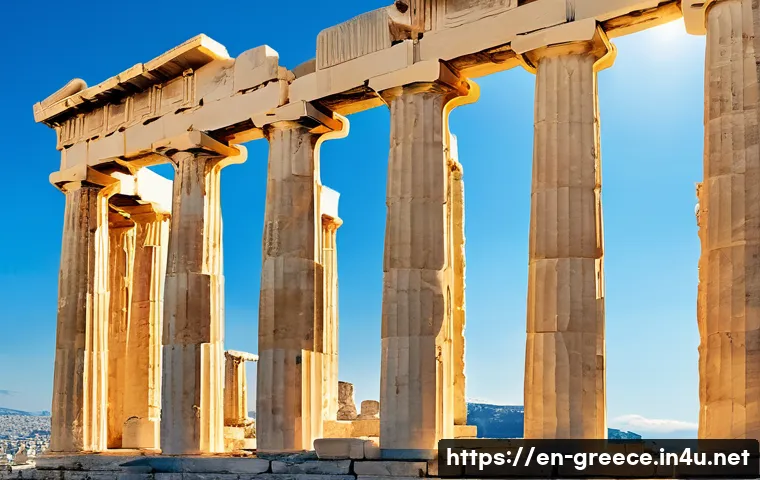
Plus, the crowds are thinner, meaning you can actually enjoy popular sites like the Acropolis or Santorini’s sunset views without feeling like you’re in a sardine can.
Why the Peak Summer Can Be a Budget Buster
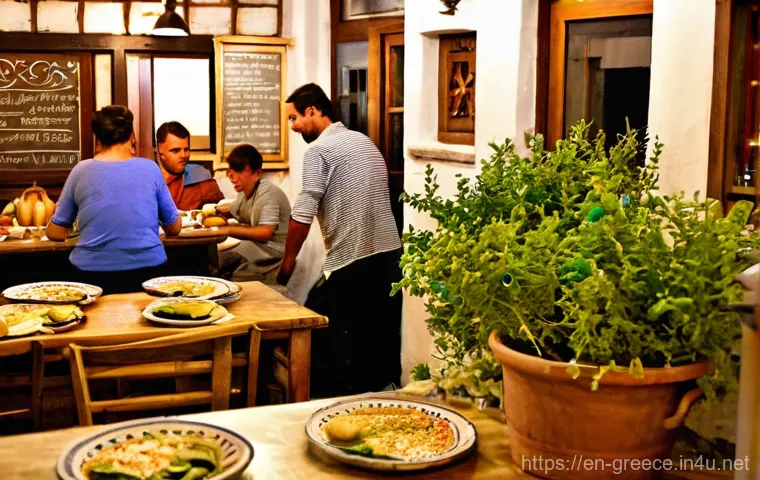
Look, I’m not saying don’t go to Greece in July or August. If that’s the only time you can manage, then go for it! But be prepared for a different kind of trip.
From my own experience, these months are when flights and hotels hit their absolute peak prices, often doubling or even tripling compared to the shoulder seasons.
Everything from a simple coffee to a beach chair rental can feel inflated. The islands, especially the most famous ones, become incredibly crowded, making it harder to find peace and quiet, and often requiring you to book *everything* months in advance.
While the sun is guaranteed, so are the long lines and the constant buzz of tourists. If your primary goal is to save money, this is definitely the season to approach with caution and very careful planning.
Diving Deeper: Free & Low-Cost Adventures That Spark Joy
Let’s be honest, the word “adventure” in a travel context often comes with a hefty price tag. Guided tours, exclusive experiences, pricey excursions… it can all add up so fast!
But what I’ve discovered through my many Greek escapades is that some of the most memorable moments, the ones that truly fill my heart, have cost me next to nothing.
Greece is a treasure trove of natural beauty and historical wonders that are accessible to everyone, regardless of their budget. It’s about shifting your perspective, embracing spontaneity, and appreciating the simple, profound joys that this incredible country offers in abundance.
I promise you, some of your best stories will come from these unexpected, low-cost discoveries.
Exploring Ancient Sites on a Budget (or for Free!)
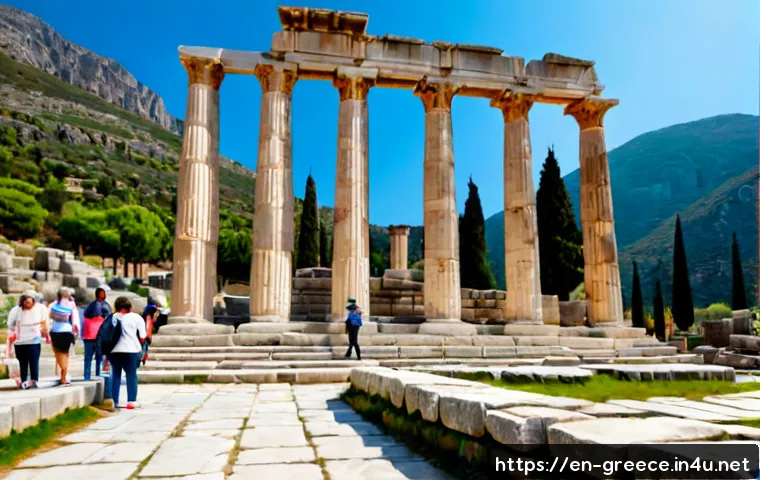
Okay, so not *all* ancient sites are free, but many are surprisingly affordable, and some smaller ones can be explored without an entry fee! Even for the big ones like the Acropolis, there are often ways to visit smartly.
Consider a combined ticket if you plan to see multiple sites in Athens; it’s almost always cheaper than buying individual tickets. And if you’re a student or a senior citizen, always, always ask about discounts – you’d be surprised how much you can save!
But beyond the major archaeological parks, I’ve loved wandering through ancient ruins in smaller towns that are just integrated into the modern landscape, or hiking up to a medieval castle that costs just a few euros to enter, offering incredible views.
It feels like stepping back in time without having to shell out a fortune.
The Simple Pleasure of Greece’s Natural Beauty
This is where Greece truly shines for the budget traveler! The beaches, oh my, the beaches! Most of them are completely free to enjoy.
Just pack a towel, some water, and perhaps a cheap snack from a local bakery, and you’re set for a glorious day under the Mediterranean sun. Hiking is another fantastic, free activity.
So many islands and mainland regions boast incredible trails with breathtaking views, from coastal paths to mountain treks. I’ve spent countless hours just exploring olive groves, discovering hidden coves, or simply sitting on a rock watching the waves crash in, and those moments are absolutely priceless.
Don’t underestimate the power of simply embracing nature – it’s invigorating for your soul and kind to your wallet.
Savvy Spending: Bringing Home Memories, Not Debt
You know that feeling when you get home from an amazing trip, open your suitcase, and see all the wonderful souvenirs you picked up? It’s pure joy! But that joy can quickly turn into a slight pang of regret if you realize you completely blew your budget on trinkets.
Trust me, I’ve been there. Greece is brimming with beautiful things, from intricate jewelry to charming ceramics, and it’s so tempting to buy everything.
Over the years, I’ve developed a few tricks to make sure I bring home authentic, meaningful souvenirs without feeling like I’ve drained my bank account.
It’s all about being intentional with your purchases and supporting the right places.
Smart Souvenir Shopping: Supporting Local Artisans
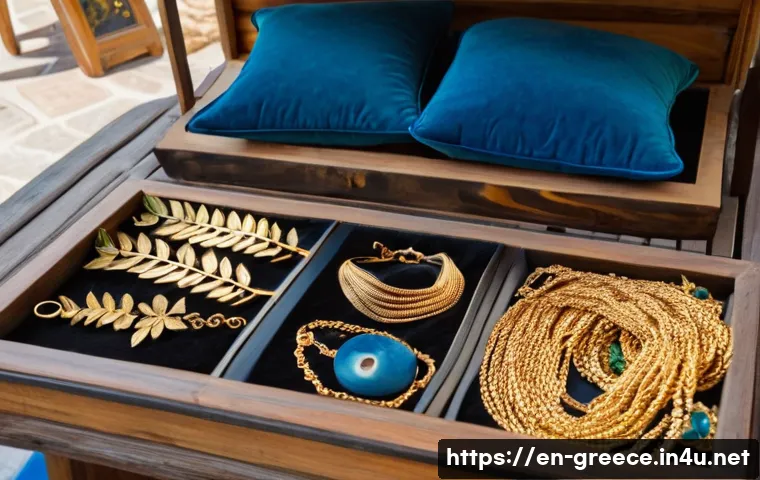
My philosophy for souvenirs has evolved from buying “stuff” to collecting unique, locally made pieces that tell a story. Instead of hitting the generic tourist shops near popular attractions, I make a point to seek out small artisan workshops or local markets.
You’ll often find incredible hand-crafted jewelry, ceramics, textiles, or even delicious local products like olive oil and honey directly from the producers.
Not only are you getting a more authentic and often higher-quality item, but you’re also directly supporting the local economy and individual artists, which feels so much better.
I have a small, hand-painted ceramic bowl from Crete that reminds me of that trip every time I see it, and it cost less than a mass-produced magnet.
Tracking Your Euros: A Simple Budgeting Hack
This might sound a little mundane, but honestly, one of the best ways I manage my budget in Greece (and anywhere, really!) is by simply keeping a running tab of my expenses.
You don’t need a fancy app; a small notebook or even a note on your phone works wonders. Just jot down what you spend each day on food, transport, activities, and souvenirs.
It keeps you accountable, makes you aware of where your money is actually going, and helps prevent those “oops, how did I spend that much?” moments. It’s not about being stingy, it’s about being mindful and empowered, so you can enjoy your trip without constant worry about your finances.
| Expense Category | Peak Season (July/August) | Shoulder Season (May/June & Sept/Oct) | Budget-Friendly Alternative |
|---|---|---|---|
| Accommodation (Mid-range hotel/night) | €120 – €250+ | €70 – €150 | Family-run guesthouse, apartment rental, hostel (starts at €30) |
| Main Meal (Taverna) | €20 – €40 per person | €15 – €30 per person | Souvlaki/Gyros from street vendor (€3-€5), Bakery pastries (€2-€4) |
| Ferry (Athens to Santorini) | €50 – €90 (conventional) | €35 – €70 (conventional) | Slower, conventional ferry over fast catamaran (significant savings) |
| Car Rental (per day) | €40 – €70+ | €25 – €50 | Local bus transport, walking, scooter rental (for short distances) |
| Coffee (Freddo Espresso/Cappuccino) | €3.50 – €5.00 | €2.50 – €4.00 | Buy from a local kiosk or supermarket to make your own |
Wrapping Things Up
And there you have it, my friends! We’ve journeyed through the enchanting world of budget-friendly Greek adventures, from savoring mouth-watering, authentic meals to discovering hidden gems without emptying your wallet. What I truly want you to take away from all this is that experiencing the heart and soul of Greece doesn’t require a limitless budget. It simply asks for a bit of curiosity, a willingness to step off the beaten path, and an open heart to embrace the incredible hospitality and beauty that awaits. Trust me, these are the moments that truly stick with you, long after the tan fades.
Useful Information to Know
1. Booking Your Flights: My best advice is to always look at flights well in advance, especially if you’re aiming for the shoulder seasons. Sometimes, being flexible with your dates by a day or two can shave hundreds of dollars off your ticket price. Also, consider flying into a larger hub like Athens and then taking a budget airline or ferry to your final destination for added savings.
2. Learn a Few Greek Phrases: While many Greeks speak English, knowing a few basic phrases like “Yiasas” (hello), “Efharisto” (thank you), and “Parakalo” (please/you’re welcome) can go an incredibly long way. Locals truly appreciate the effort, and it often leads to warmer interactions and sometimes even a little bonus, like an extra treat at a taverna!
3. Hydration is Key (and Cheap!): Greece gets hot, especially in the summer. Instead of constantly buying bottled water, carry a reusable water bottle. Many hotels, guesthouses, and even public fountains in some areas offer potable water. It’s good for your wallet and the planet!
4. Embrace the Siesta: You’ll notice many shops close in the afternoon, typically between 2 PM and 5 PM, for a traditional siesta, especially in smaller towns. Plan your day around this, perhaps taking your own siesta, hitting the beach, or visiting outdoor archaeological sites that remain open. It’s a great way to avoid the midday sun and save on activities.
5. Travel Insurance is a Must: I know, it’s an added cost, but please, please don’t skip travel insurance. From lost luggage to unexpected medical emergencies, having it gives you peace of mind. I’ve heard too many stories of trips going awry, and a good policy can save you from a major financial headache.
Key Takeaways
To truly experience Greece without draining your bank account, remember these essentials: embrace the shoulder seasons for ideal weather and prices, wander off the main tourist streets for authentic and affordable food, opt for charming local guesthouses over lavish resorts, and leverage public transport like buses and ferries. Most importantly, seek out the simple, free joys—the stunning beaches, scenic hikes, and ancient sites—that truly embody the spirit of this magnificent country. It’s about smart choices, a little local immersion, and collecting rich experiences, not just expenses.
Frequently Asked Questions (FAQ) 📖
Q: When is the absolute best time to visit Greece if I’m really trying to stick to a budget without missing out on the magic?
A: Oh, this is such a fantastic question, and one I get all the time! From my personal adventures, the real sweet spot for an affordable Greek escape without sacrificing that quintessential charm is during the “shoulder seasons.” Think late April to early June, and then again from September through October.
Let me tell you why these months are golden. First, the crowds are nowhere near as intense as they are in July and August, which, let’s be honest, can feel a bit like a human sardine can, especially in popular spots.
Fewer people mean a more relaxed vibe, and trust me, you get to truly feel Greece when you’re not jostling for space. Secondly, and this is the big one for your wallet, both flights and accommodations are significantly cheaper.
During the peak summer, prices can be eye-watering, but in the shoulder seasons, you’ll find much more reasonable rates for everything from cozy guesthouses to those charming family-run hotels.
I’ve personally snagged some incredible deals on flights by being flexible with my dates during these times. Plus, many airlines offer deals in April, May, September, and October.
And the weather? Absolutely divine! You’ll still get plenty of sunshine for beach days and exploring ancient ruins, but without the scorching heat of mid-summer, which, I can tell you from experience, makes sightseeing a sweaty endeavor.
The sea is wonderfully warm in September and October, perfect for a swim, and in spring, the islands are bursting with wildflowers – truly breathtaking.
It’s truly the best of both worlds!
Q: Beyond choosing the right time, what are your top secrets for slashing accommodation and food costs in Greece?
A: Alright, let’s get down to the nitty-gritty of saving those euros! I’ve picked up quite a few tricks over my many visits. For accommodation, ditch those swanky, high-end resorts and look for local, family-run guesthouses or “domatia.” These are often spotless, offer an authentic experience, and sometimes even include breakfast!
I always use Booking.com to find deals, making sure to filter for “Budget Friendly” or “2-star hotels” outside the main tourist hubs. In big cities like Athens, instead of staying right in the tourist heart of Plaka, explore vibrant neighborhoods a little further out like Pangrati.
You’ll get a more local feel and better prices. Hostels are also fantastic in Greece, often cheaper than in Western Europe, and you can find them even on smaller islands.
For an even deeper dive into local life, try looking into Airbnb alternatives or even Couchsurfing if you’re really adventurous and on a super tight budget.
Now, for food – this is where you can truly indulge without breaking the bank! My number one tip: eat like a local. That means steering clear of restaurants directly on the main tourist squares or waterfronts.
Walk a street or two back, or better yet, ask a local where they eat. You’ll discover charming tavernas with incredible, authentic dishes at much more reasonable prices.
Street food is your best friend here! Souvlaki and gyros are not just delicious, they’re incredibly affordable, usually costing just a few euros. I often grab a souvlaki for lunch – it’s a filling and tasty meal on the go.
Also, hit up local markets for fresh produce and ingredients. If your accommodation has a kitchenette, making some of your own meals, especially breakfast, can save a ton.
I often pop into a local grocery store for Greek yogurt, honey, and fresh fruit for a delightful and cheap breakfast. And don’t forget those amazing spinach pies (spanakopita) or cheese pies (tiropita) from local bakeries – they make for a cheap and satisfying breakfast or lunch.
Oh, and one last thing: avoid ordering fresh fish in tourist areas as it can be surprisingly pricey. Stick to delicious, grilled sardines or a mixed seafood platter instead!
Q: Which Greek islands or destinations offer the best value for money for a budget-conscious traveler, while still providing that authentic Greek experience?
A: I know the images of Santorini and Mykonos are plastered everywhere, and they are stunning, but if you’re traveling on a budget, those islands can seriously drain your funds faster than you can say “Opa!” The good news is, Greece has so many other incredible, equally beautiful islands and mainland spots that offer fantastic value and an even more authentic experience.
My personal favorites for budget-friendly island hopping include Naxos, Paros, and Crete. Naxos, the largest of the Cyclades, gives you that classic Greek island vibe with gorgeous beaches, charming villages, and ancient ruins, but without the Mykonos price tag.
You can find lovely guesthouses there for as low as €30-€40 a night. Paros is another gem, often overshadowed by its flashier neighbors, but it offers all the Cycladic charm, whitewashed villages, and beautiful waters at a fraction of the cost.
And then there’s Crete, the largest Greek island, which is incredibly diverse and offers amazing value. You’ll find everything from rugged mountains to pristine beaches, lively towns like Chania, and ancient history, all while being significantly cheaper than the super-touristy spots.
I found fantastic deals on hotels there for around €87 a night for a really comfortable stay. Beyond these, consider islands like Syros, which is the capital of the Cyclades but surprisingly budget-friendly, or even lesser-known spots like Lefkada, Kimolos, Amorgos, Ios (outside peak season), and Serifos.
These islands truly let you dive into local life, enjoy delicious food at real Greek prices, and explore stunning scenery without the constant worry about your bank balance.
Many of these also have excellent public bus systems, making transportation around the island super affordable, often just a couple of euros per ride.
You’ll get to experience the true heartbeat of Greece, away from the tourist traps, and that, my friends, is priceless.