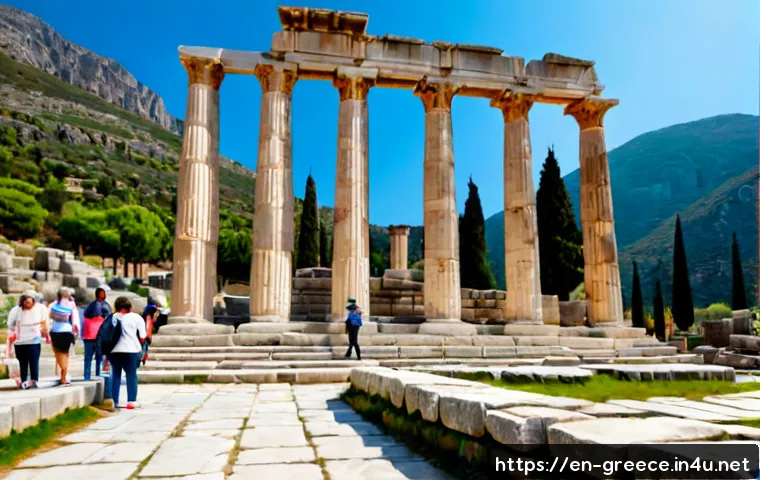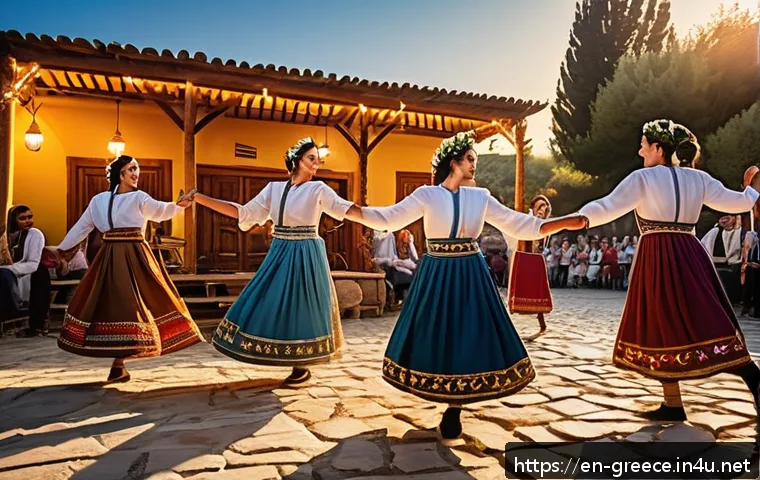
Oh, Greece! Just the name conjures up images of azure seas, ancient ruins, and that incredible, warm Mediterranean sunshine, doesn’t it? Every time I think about my trips there, it’s not just the stunning landscapes or the delicious food that sticks with me, but the sheer artistry you find around every corner.

There’s something truly special about bringing a piece of that magic home with you, a tangible memory that keeps the feeling alive long after your tan fades.
But let’s be honest, navigating the souvenir shops can feel a bit overwhelming, especially when you’re searching for something genuinely authentic and not just another mass-produced trinket.
I’ve definitely learned a thing or two about spotting the real gems from the tourist traps over the years. It’s about more than just buying a gift; it’s about connecting with the heart and soul of Greek culture, supporting incredible local artisans who pour their heritage into every piece.
From intricately painted ceramics that tell ancient stories to hand-stitched leather goods that whisper tales of craftsmanship passed down through generations, there’s a world of creativity waiting to be discovered.
And lately, I’ve noticed a wonderful shift towards more sustainable and ethically produced items, which makes finding that perfect memento even more rewarding.
It’s truly amazing how a handmade piece can reflect centuries of tradition while still feeling perfectly relevant in today’s world. If you’re anything like me, you want that souvenir to be more than just an object; you want it to be a conversation starter, a piece of art, a memory that lasts.
So, if you’re planning a Greek adventure, or just dreaming of one, and you want to ensure your keepsakes are as authentic and beautiful as the country itself, you’re in for a treat.
Let’s dive deeper and uncover the very best of Greek traditional crafts and souvenirs, and I’ll share all my personal tips and insights to help you find truly unique treasures.
Unearthing Genuine Greek Treasures: My Personal Strategy
When I first started exploring Greece, I’ll admit, I fell for a few tourist traps. You know the drill – shiny, mass-produced items that looked great in the moment but lost their charm once I got them home.
But after a few trips and countless hours wandering through bustling markets and quiet village workshops, I’ve developed a sixth sense for what’s truly authentic.
The key, I’ve found, is to look for the story behind the item, the imperfections that tell a tale of human hands at work, and the passion in the artisan’s eyes.
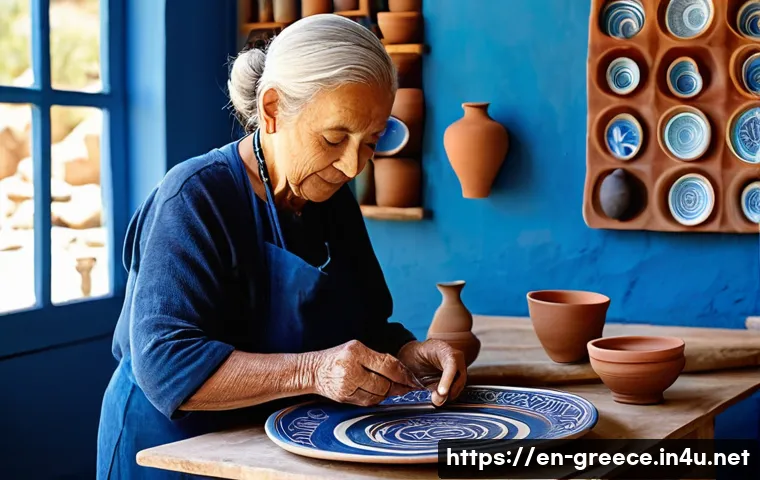
It’s not just about the item itself, but the connection you make with the place and the people. I remember vividly finding a small pottery studio tucked away in a tiny alley in Rhodes.
The potter, an elderly woman with hands stained with clay, was meticulously painting a design. Her focus, her dedication – it was clear this wasn’t just a job; it was her life.
That’s the kind of experience that makes a souvenir truly priceless. Always ask questions, watch them work if you can, and trust your gut feeling. If it feels too generic, it probably is.
I also try to veer away from the main tourist arteries and explore the quieter side streets, because that’s often where the real magic happens, and where you find artisans who are truly dedicated to their craft rather than just chasing the quick sale.
The Art of Observation and Interaction
My number one tip? Slow down. Don’t rush through shops.
Take your time to observe the details. Are the edges perfectly uniform, or do they show slight variations? Are the colors vibrant and deeply set, or do they look like they might chip easily?
For textiles, feel the fabric – does it have a natural texture, or does it feel synthetic and cheap? I love striking up conversations with shopkeepers and artisans.
Even if our common language is limited, their gestures and the pride in their voice often tell you all you need to know about their craft. I’ve had some of the most heartwarming interactions this way, learning about family traditions passed down through generations.
These conversations not only lead to better purchases but also enrich your travel experience immensely, transforming a simple shopping trip into a cultural exchange.
Beyond the Souvenir Shop: Markets and Workshops
While some souvenir shops do carry authentic items, I always prioritize local markets and independent artisan workshops. In Athens, the Monastiraki Flea Market, especially on Sundays, can be a goldmine, but you need a keen eye.
For more curated selections, I seek out smaller towns or specific artisan districts. On the islands, many villages have small studios where you can see the artists at work, whether they’re painting ceramics, weaving intricate patterns, or carving olive wood.
These direct interactions ensure you’re supporting local economies and getting a truly unique piece that hasn’t passed through multiple middlemen. Plus, the stories you collect from these places are often just as precious as the items themselves.
Ancient Forms, Modern Flair: The Enduring Charm of Greek Pottery and Ceramics
There’s something incredibly captivating about Greek pottery. It’s not just clay and paint; it’s history molded into a functional or decorative piece.
From the iconic Minoan octopus motifs that seem to dance across the surface to the geometric patterns of the classical era, Greek ceramics tell stories that stretch back millennia.
Every time I see a beautifully crafted piece, I can almost feel the whispers of ancient potters. I remember one summer in Crete, I visited a small workshop where the artisan was recreating traditional designs using age-old techniques.
He explained how the clay was sourced locally, how the glazes were mixed using natural pigments, and how each piece was fired in a wood-burning kiln. The passion in his voice was palpable, and holding a finished plate in my hands, I felt a deep connection to that unbroken chain of craftsmanship.
These aren’t just pretty objects; they’re living history, a testament to an enduring artistic tradition. Buying a piece of Greek pottery isn’t just acquiring a souvenir; it’s bringing home a fragment of a civilization that has shaped Western culture.
The weight of it, the smoothness, the intricate details – it all combines to create an artifact that feels truly special.
Iconic Styles and What to Look For
When you’re browsing for pottery, you’ll encounter a vast array of styles. Beyond the instantly recognizable reproductions of ancient amphorae and kylixes, look for more contemporary takes on traditional designs.
Many modern Greek potters infuse classic motifs with a fresh, vibrant aesthetic, making them perfect for today’s homes.
- Geometric Patterns: Often seen on larger vases and plates, these designs are a nod to early Greek art. They’re visually striking and timeless.
- Minoan & Cycladic Influences: Think marine life – octopuses, fish, waves – often depicted with fluid lines and earthy tones, especially prevalent in Crete and the Cycladic islands.
- Folk Art: More rustic and charming, these pieces often feature scenes of daily life, mythological figures, or local flora and fauna, painted with a lovely, sometimes naive, hand.
I always suggest looking for the potter’s signature or stamp, which usually indicates an authentic, handmade piece rather than a factory reproduction.
And don’t be afraid to gently tap the pottery; a clear, ringing sound often indicates good quality firing.
From Functional Art to Decorative Masterpieces
Greek pottery isn’t just about display; much of it is incredibly functional. I’ve personally brought home several ceramic olive oil pourers and serving dishes that I use almost daily.
They not only add a touch of Mediterranean charm to my kitchen but also serve as a constant reminder of my travels. Imagine serving a delicious Greek salad on a hand-painted platter you bought in Santorini – it instantly elevates the dining experience.
When choosing functional pieces, make sure they are food-safe and, if possible, dishwasher and microwave safe. For decorative pieces, consider where you’ll display them.
A large, beautifully painted vase can be a stunning focal point in a living room, while smaller, intricately detailed plates can be arranged on a wall as a captivating art display.
I’ve even seen some incredible ceramic tiles that make for fantastic wall art.
Woven Wonders: Textiles and Embroideries from Greece’s Heart
There’s a warmth and richness to Greek textiles that instantly transports you to sun-drenched islands and mountain villages. From vibrant hand-woven rugs to delicate, intricately embroidered linens, each piece tells a story of tradition, skill, and heritage.
My grandmother, who had a passion for needlework, would have absolutely adored the Greek embroideries. I remember watching a woman on the island of Naxos, her fingers flying across a loom, creating a pattern that had been passed down through her family for generations.
The rhythmic clack of the loom was almost meditative, and the colors she used were so vivid, reflecting the deep blues of the Aegean and the brilliant whites of the island architecture.
It’s an art form that demands patience and precision, and the resulting pieces are truly works of art. These aren’t just decorative items; they often served practical purposes in Greek homes for centuries, from bedspreads to dowries, making them rich with cultural significance.
When you bring home a Greek textile, you’re not just buying a cloth; you’re acquiring a piece of someone’s history, their family’s legacy, and the very soul of Greek craftsmanship.
It’s a wonderfully tactile way to keep the spirit of Greece alive in your home.
Embroidered Elegance: The Art of Krossi
Greek embroidery, particularly the intricate *krossi* work, is simply breathtaking. Originating from regions like Ioannina and the Dodecanese islands, these pieces often feature elaborate geometric patterns, floral motifs, and even mythological scenes stitched with meticulous care onto linen or cotton.
I’ve seen tablecloths, cushion covers, and even framed pieces of *krossi* embroidery that are museum-worthy. The colors are often bold and contrasting, making them truly stand out.
When I was in Athens, I stumbled upon a small shop near the Plaka that specialized in antique textiles. The owner showed me an old tablecloth, perhaps a hundred years old, with *krossi* work so fine it looked like a painting.
It was a stark reminder of the incredible dedication and skill involved. These aren’t just threads; they’re stories woven into existence, carrying the echoes of countless hours of careful handiwork.
Weaving Traditions: Rugs, Kilims, and Flokatis
Greek rugs, particularly the hand-woven *kilims* and the iconic *flokatis*, are fantastic ways to add warmth and character to any space. *Kilims* are flat-woven rugs, often featuring striking geometric designs and a rich palette of colors, traditionally made in regions like Epirus and Thessaly.
They’re incredibly durable and versatile. *Flokatis*, on the other hand, are shaggy wool rugs known for their plush texture and natural, often off-white, colors.
They’re wonderfully cozy and add a touch of rustic charm. I bought a small *kilim* in a village market in Metsovo, and it still graces my entryway today.
Every time I step on it, I remember the crisp mountain air and the friendly faces of the vendors. When purchasing a rug, inquire about the materials – pure wool is always best – and the weaving technique to ensure you’re getting a genuine, handmade item.
The density of the weave also contributes to its longevity, so don’t hesitate to give it a good feel.
The Gleam of Hellenic Craft: Jewelry That Tells a Tale
Greek jewelry has always held a special fascination for me. It’s not just about adornment; it’s about history, symbolism, and a deep connection to ancient aesthetics.
From the intricate goldwork of Minoan Crete to the classical elegance of Byzantine designs, Greek jewelers have been masters of their craft for millennia.
Every time I wear a piece of Greek jewelry, I feel like I’m carrying a tiny fragment of that rich legacy. I remember walking through a tiny jewelry shop in Mykonos, where the artisan, a young woman who had learned the trade from her grandfather, was meticulously hammering a silver pendant.
She explained how some of her designs were inspired by patterns found on ancient artifacts, connecting the past to the present. The weight of genuine silver or gold, the delicate filigree, the subtle sparkle of a semi-precious stone – it all speaks to a level of artistry that you just don’t find in mass-produced items.
These pieces aren’t fleeting trends; they are timeless additions to any collection, capable of becoming cherished heirlooms that carry their own stories for generations.
Silver and Gold: Echoes of Antiquity
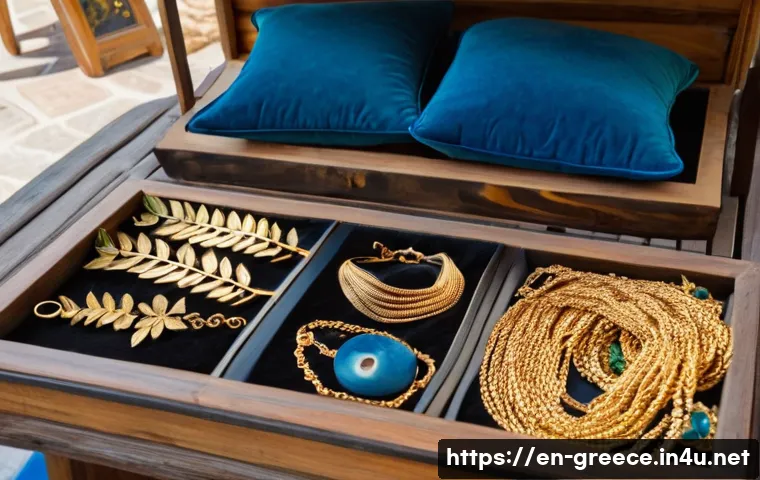
The most popular metals for traditional Greek jewelry are silver and gold, often crafted into stunning pieces that echo ancient designs. Look for intricate filigree work, where delicate wires are twisted and soldered into elaborate patterns.
I’m particularly drawn to pieces that incorporate ancient Greek symbols, such as the meander (Greek key), the evil eye (a common protective talisman), or figures from mythology.
- Evil Eye Jewelry: A ubiquitous symbol believed to ward off negative energy. You’ll find it in various forms, from delicate pendants to colorful bracelets, often made with blue glass beads. I always pick up a few of these as small gifts for friends.
- Minoan & Byzantine Inspired Pieces: These often feature intricate detailing, symbolic animals like owls or bees, and sometimes incorporate colorful enamel or semi-precious stones. They have a wonderfully regal and historic feel.
- Natural Elements: Many pieces also incorporate natural elements found in Greece, such as coral, pearls, or unique stones, adding an organic touch.
When buying silver, look for a “925” stamp, indicating sterling silver. For gold, the purity will be stamped, usually “14K” or “18K.” Always buy from reputable jewelers, and don’t be afraid to ask for a certificate of authenticity for more valuable pieces.
Crafting Your Own Greek Style
One of the joys of collecting Greek jewelry is how beautifully different pieces can be layered or mixed and matched to create a unique personal style.
I often pair a simple silver evil eye bracelet with a more elaborate filigree necklace I found in Athens. It creates a narrative, a conversation piece that speaks to my travels.
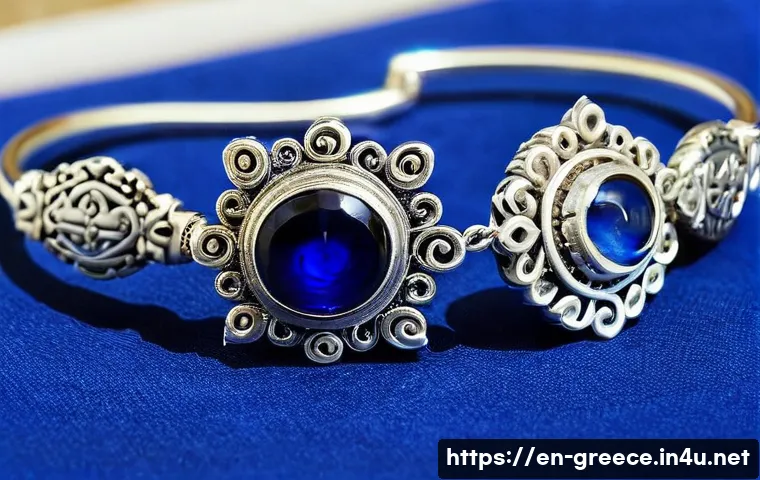
Beyond necklaces and bracelets, consider earrings, rings, and even intricate hair ornaments that evoke the goddesses of old. These pieces aren’t just accessories; they’re wearable art that connects you to a rich cultural tapestry.
They make fantastic gifts too, offering a piece of enduring beauty and a story to go along with it.
A Slice of Greece: Edible Souvenirs and Culinary Delights
When I think about bringing Greece home, my mind immediately jumps to the incredible flavors that define its cuisine. It’s not just about the beautiful sights, but the taste, the aroma, and the joy of sharing a meal.
Edible souvenirs are, in my opinion, some of the most satisfying treasures you can bring back. They allow you to relive those sun-drenched meals and share a piece of Greek hospitality with friends and family long after your tan has faded.
I remember vividly a time when I brought back some artisanal olive oil from a small family grove in the Peloponnese. Every time I drizzled it over a salad, the rich, peppery taste transported me right back to that olive tree-dotted landscape.
It wasn’t just oil; it was a memory, bottled and ready to be savored. These culinary treasures aren’t just delicious; they also reflect the deep agricultural traditions and the passion for food that is so inherent in Greek culture.
They’re a fantastic way to keep the Greek spirit alive in your kitchen.
The Liquid Gold: Olive Oil and Beyond
Greek olive oil is legendary, and for good reason. It’s a staple of the Mediterranean diet and often considered the finest in the world. When selecting olive oil, look for “Extra Virgin Olive Oil” from specific regions like Crete, Kalamata, or Lesvos, which are renowned for their quality.
- Small Batch Producers: I always seek out smaller, family-run producers. Their oils often have unique flavor profiles and a story behind them. Many will offer tastings, which is a fantastic way to find your favorite.
- Balsamic Vinegar: Don’t overlook Greek balsamic vinegar! It’s often made with local grapes and offers a delightful sweetness and tang that pairs perfectly with salads and grilled vegetables.
- Honey: Greek honey, especially thyme honey from the islands, is incredibly fragrant and flavorful. It’s a truly natural product, often produced by beekeepers who move their hives with the seasons.
These items aren’t just delicious; they are also healthy and wonderfully versatile in the kitchen. They make thoughtful gifts for any food lover.
Sweets, Spices, and Spirits: A Pantry Full of Memories
Beyond the liquid gold, Greece offers a pantry full of other delightful culinary souvenirs. I always make sure to stock up on a few essentials to keep the Greek flavors alive in my cooking.
- Spices and Herbs: Greek oregano, sage, and mountain tea are incredibly aromatic and make fantastic additions to any spice rack. They capture the essence of the wild Greek landscape.
- Sweets: Look for traditional sweets like *loukoumi* (Turkish delight, but Greek style!), *pasteli* (sesame and honey bars), or spoon sweets, which are fruits preserved in syrup. They’re perfect with coffee or as a light dessert.
- Spirits: Of course, you can’t forget about traditional Greek spirits. *Ouzo* and *Tsipouro* are quintessential Greek drinks, perfect for an *aperitif*. Or, if you’re a wine lover, explore the unique indigenous grape varieties of Greece.
These items are relatively easy to transport and make wonderful, consumable gifts that are sure to be appreciated. Just be mindful of airline liquid restrictions for larger bottles!
From Leather to Wood: Craftsmanship Beyond Expectations
Beyond the more famous crafts, Greece boasts incredible talent in working with natural materials like leather and wood. These pieces often carry a more rugged, earthy charm, and speak to a tradition of practical artistry.
I’ve always been drawn to the quality and durability of Greek leather goods. My first pair of genuine Greek leather sandals, bought years ago in Athens, are still going strong and have taken me on countless adventures around the world.
There’s something so satisfying about holding a piece of handcrafted leather or feeling the smooth grain of olive wood, knowing that it was shaped by skilled hands.
It’s a testament to the fact that beauty and utility can coexist harmoniously. These aren’t just pretty things; they’re often highly functional items built to last, imbued with the spirit of honest labor and a deep respect for materials.
It’s this dedication to quality and longevity that truly sets these items apart and makes them such valuable keepsakes.
The Enduring Appeal of Greek Leather
Greek leather goods are renowned for their quality and craftsmanship. From the iconic leather sandals to beautifully made bags and belts, you’ll find exceptional items that are both stylish and incredibly durable.
- Handmade Sandals: A must-have Greek souvenir! Many shops offer custom-made sandals where you can choose your style and have them fitted on the spot. I have several pairs, and they are always comfortable and chic.
- Bags and Wallets: Look for handcrafted leather bags and wallets. They often feature simple, elegant designs that highlight the natural beauty of the leather. The leather itself often ages beautifully, developing a unique patina over time.
- Belts and Accessories: High-quality leather belts are another fantastic buy, often available in a range of colors and styles. You might also find interesting leather keychains or small pouches.
When buying leather, pay attention to the feel and smell of the material. Real leather will have a distinct, natural aroma and a supple feel that synthetic materials simply can’t replicate.
Many artisans will also have their workshops attached to their shops, allowing you to see the crafting process firsthand.
The Warmth of Olive Wood Creations
Olive wood is a treasured material in Greece, known for its beautiful grain, durability, and natural antibacterial properties. Artisans transform this sustainable wood into a stunning array of functional and decorative items.
- Kitchen Utensils: Olive wood cutting boards, serving bowls, and cooking utensils are not only incredibly beautiful but also highly functional and long-lasting. They make wonderful additions to any kitchen.
- Decorative Objects: Beyond kitchenware, you’ll find exquisite decorative items like carved figures, small boxes, and picture frames. Each piece of olive wood is unique, with its own distinct grain pattern, making every item one-of-a-kind.
- Jewelry and Accessories: Smaller items like olive wood beads, pendants, or hairpins are also popular, offering a more rustic and natural alternative to metal jewelry.
I particularly love the way olive wood ages, deepening in color and developing an even richer sheen over time. It’s a wonderful material that connects you directly to the Greek landscape and its ancient trees.
Unique Keepsakes: Supporting Local Artisans and Sustainable Choices
In today’s world, finding souvenirs that are not only beautiful but also ethically produced and sustainable feels more important than ever. Greece, with its deep-rooted traditions and a growing movement towards eco-consciousness, offers a fantastic array of such items.
It’s about making choices that feel good in every way – supporting local communities, preserving traditional crafts, and minimizing environmental impact.
I’ve noticed a wonderful shift in recent years, with more artisans emphasizing locally sourced materials and sustainable practices. When I find a piece that checks all these boxes, it makes the purchase feel even more meaningful.
It’s not just a transaction; it’s an investment in a craft, a community, and a philosophy. I remember discovering a small shop in Thessaloniki that sold beautifully crafted items made from recycled materials, combined with traditional techniques.
The creativity and ingenuity were astounding, and knowing my purchase directly supported those efforts made it all the more special. These are the kinds of finds that truly enrich your travel experience and leave you with a lasting sense of connection.
The Rise of Eco-Friendly and Ethical Crafts
The Greek craft scene is embracing sustainability, offering beautiful items made with an awareness of their environmental and social impact.
- Recycled Art: Many innovative artists are creating stunning pieces from recycled glass, metal, or even discarded fishing nets, transforming waste into art.
- Natural Fiber Products: Look for clothing, bags, and accessories made from organic cotton, linen, or naturally dyed wool, often handcrafted in small batches.
- Small-Batch Beauty Products: Greece is rich in natural ingredients. Seek out artisanal soaps, essential oils, and skincare products made with olive oil, herbs, and other local botanicals.
Choosing these items means you’re not only getting a unique souvenir but also contributing to a more sustainable future for Greek craftsmanship. Always ask about the materials and production methods – artisans are usually proud to share their ethical practices.
Supporting Communities Through Art
One of the most rewarding aspects of finding unique souvenirs is knowing that your purchase directly benefits the people who create them. Many smaller villages and islands rely heavily on tourism and the sale of handcrafted goods.
By choosing to buy from independent artisans, local cooperatives, or fair-trade initiatives, you’re helping to keep traditional skills alive and supporting the livelihoods of these communities.
I always make an effort to visit non-profit shops or organizations that empower women artisans or preserve endangered crafts. These purchases often have a profound ripple effect, enabling families to thrive and ensuring that Greece’s rich artistic heritage continues to flourish.
It feels good to know that your souvenir is making a real difference.
Bringing Greece Home: Displaying Your Treasures and Keeping the Memories Alive
The joy of travel doesn’t end when you return home; it continues as you unpack your bags and find the perfect spot for each treasured souvenir. For me, these aren’t just objects; they’re tangible memories, conversation starters, and daily reminders of the incredible experiences I’ve had.
Each piece has a story, a moment, a feeling attached to it. I love arranging my Greek pottery on open shelves in the kitchen, where the vibrant colors catch the light, or hanging a hand-embroidered textile where I can admire its intricate patterns every day.
It’s about curating your home with pieces that resonate with your personal journey. My living room has a small corner dedicated to a collection of Greek items – a small olive wood carving, a delicate silver pendant hanging on a stand, and a framed print of a Cycladic village.
Each glance brings back a flood of wonderful memories, from the scent of wild herbs to the sound of waves lapping against the shore. These aren’t just decorations; they’re little portals back to those cherished moments in Greece, keeping the spirit of my travels alive and vibrant.
Curating Your Greek Collection
Displaying your Greek treasures thoughtfully can turn your home into a personal gallery of your adventures.
- Groupings: Create small vignettes or groupings of similar items. For example, a collection of blue and white ceramics looks stunning together, evoking the iconic colors of the Aegean.
- Functional Display: Don’t be afraid to use your functional items! Use your olive wood serving bowls, ceramic platters, or hand-woven table runners regularly. They’re meant to be enjoyed, not just admired from afar.
- Wall Art: Frame smaller embroidered pieces or unique textile swatches to create a striking wall display. Even a single, beautifully painted ceramic tile can make a statement.
The key is to integrate these pieces seamlessly into your existing decor, allowing them to tell their stories without overwhelming the space. They should feel like natural extensions of your personality and experiences.
Preserving Your Memories and Connecting with Culture
Beyond the physical objects, true souvenirs are the memories and the connection you build with a culture. Regularly engaging with your Greek items – whether by using them, dusting them, or simply looking at them – helps to keep those memories fresh.
I often pair my Greek treasures with related experiences, like cooking a Greek meal with my olive oil and herbs, or listening to Greek music while enjoying a cup of coffee in a traditional ceramic mug.
These sensory reminders are incredibly powerful. I’ve even taken to learning a few simple Greek phrases, which makes me feel even more connected to the wonderful people I’ve met there.
Your souvenirs are more than just things; they are gateways to continued cultural appreciation and the joyous reliving of your unforgettable Greek adventure.
| Craft Type | What to Look For | Typical Price Range (Euros) | Personal Recommendation |
|---|---|---|---|
| Hand-Painted Ceramics | Potter’s signature, irregular hand-painted details, vibrant glazes, food-safe stamps for functional items. | €20 – €200+ (depending on size/complexity) | Seek out small village studios, especially in Crete or Rhodes, for unique designs. |
| Hand-Woven Textiles | Natural fibers (wool, cotton, linen), tight weave, traditional patterns (geometric, floral), even wear if antique. | €30 – €500+ (for large rugs) | Explore markets in mainland Greece (e.g., Metsovo) or specialized shops in Athens. |
| Silver Jewelry | “925” sterling silver stamp, intricate filigree, traditional symbols (meander, evil eye), reputable jeweler. | €40 – €300+ | Visit artisan workshops in Plaka, Athens, or smaller island towns for unique, handcrafted pieces. |
| Olive Wood Products | Distinctive grain patterns, smooth finish, solid construction, sustainable sourcing. | €10 – €150+ | Look in areas with olive groves, like Kalamata or Crete, for direct-from-producer items. |
| Artisanal Olive Oil | “Extra Virgin,” specific regional origin (e.g., Kalamata, Crete), dark glass bottle, small-batch producer. | €15 – €40 per liter (for high quality) | Look for local food shops or directly from olive groves for the freshest, most authentic flavors. |
Wrapping Up Our Greek Souvenir Hunt
And there you have it, fellow travelers! Our journey through the incredible world of Greek traditional crafts and souvenirs has hopefully given you a fresh perspective on bringing a piece of Greece’s heart and soul back home. For me, it’s always been about more than just an item; it’s about the stories they tell, the hands that made them, and the memories they evoke. I truly hope these insights, gathered from my own adventures and occasional missteps, will help you find those genuinely unique treasures that resonate with your own experience. Happy hunting, and may your Greek souvenirs be as rich in history and charm as the beautiful country itself! Until our next adventure!
Handy Tips for Your Greek Souvenir Adventure
1. Always carry some cash, especially smaller denominations, as many local artisans and market vendors prefer it, and it can sometimes lead to a better deal. Plus, it’s just easier in smaller, more remote villages.
2. Don’t be shy about a little polite haggling, particularly in flea markets. While not expected in formal shops, a friendly negotiation can be part of the fun in a bustling market setting, just remember to keep it respectful.
3. Be mindful of baggage weight and restrictions when buying heavier items like pottery or olive oil. Consider shipping larger or more fragile purchases directly from a reputable store, as they often have reliable international shipping services.
4. Seek out artisan workshops or co-ops. These are often the best places to find authentic, handmade items, and you get the added bonus of meeting the creator and learning about their craft firsthand.
5. Always check for quality marks or artisan signatures, especially on jewelry and ceramics. A “925” stamp for silver or a potter’s mark can be a good indicator of authenticity and craftsmanship.
Key Takeaways for the Savvy Souvenir Seeker
To truly capture the essence of Greece, focus on authenticity and quality over mere novelty. Prioritize items that reflect genuine Greek craftsmanship, whether that’s in the intricate designs of hand-painted ceramics, the warmth of olive wood, or the rich texture of a hand-woven textile. Supporting local artisans not only enriches your experience but also helps preserve these invaluable cultural traditions for generations to come. Ultimately, the best souvenirs are those that carry a story, evoke cherished memories, and keep the spirit of your Greek adventure alive in your home.
Frequently Asked Questions (FAQ) 📖
Q: How can I tell if a Greek souvenir is truly authentic and handmade, and avoid the mass-produced stuff?
A: Oh, this is such a common question, and one I’ve definitely learned a lot about over my many trips to Greece! The struggle is real when you’re trying to find that perfect, genuine piece amidst a sea of generic items.
My top tip? Always look for small imperfections – ironically, they’re often the tell-tale sign of something truly handmade. A tiny variation in a ceramic glaze, an ever-so-slightly uneven stitch in leather, or a unique brushstroke on a painting usually means a real person, not a machine, crafted it with love and care.
I also always recommend chatting with the artisan if you can; hearing their story and understanding the process behind their work adds so much to the value and authenticity.
If they can tell you exactly how it was made, where the materials came from, and perhaps even a bit about the family tradition, you’re usually on the right track.
Also, keep an eye out for workshops rather than just shops; often, the items sold right where they’re made are the most genuine. And trust your gut – if something feels too perfect, too uniform, or incredibly cheap for what it claims to be, it might just be a tourist trap.
Q: Beyond the typical magnets and t-shirts, what are some truly unique and special Greek crafts I should look for to bring home?
A: Absolutely! While a good fridge magnet has its place, Greece offers so much more that truly embodies its rich culture and artistry. From my own experiences, I’ve fallen in love with several categories.
First, definitely seek out hand-painted ceramics, especially those with traditional motifs like the evil eye, olive branches, or scenes from mythology.
There’s a particular warmth and history in them that machine-printed ones just can’t replicate. Next, leather goods are fantastic – think beautifully crafted sandals, bags, or even belts.
Many artisans in places like Athens or Crete still use age-old techniques, and the quality is just superb. I’ve had a pair of leather sandals for years that still look amazing and bring back so many memories every time I wear them!
Don’t overlook embroidered textiles; from intricate tablecloths to smaller decorative pieces, they showcase incredible needlework passed down through generations.
And for something truly unique, keep an eye out for komboloi (worry beads) made from various materials like amber, resin, or natural stones – they’re not just beautiful but also a fascinating part of Greek everyday life.
Lastly, if you can find them, hand-carved olive wood items are both beautiful and practical, and they carry a lovely connection to Greece’s iconic olive groves.
Q: Where are the best places to discover and purchase these genuine, locally made Greek treasures?
A: This is where the adventure really begins! While every major tourist spot will have souvenir shops, the real gems are often found off the beaten path or in specific areas.
My absolute favorite places to hunt for authentic Greek crafts are often smaller artisan workshops or boutiques in less-trafficked side streets, particularly in cities like Athens (the Plaka district can be good, but venture a bit further out too!) or the charming alleyways of island towns.
Think about places like the Monastiraki Flea Market in Athens on a Sunday, but be prepared to sift through a lot of items; you can find incredible vintage finds there if you have a keen eye!
Beyond the capital, explore the local markets and small independent shops in places like Crete, known for its pottery and leather, or Rhodes for its ceramics and jewelry.
Also, look out for co-operative stores run by local artisans; these places usually guarantee authenticity and fair prices, and you’re directly supporting the community.
Sometimes, even the little shops in remote villages on the islands hold the most beautiful, unassuming treasures. The key is to wander, explore, and be open to discovering a hidden gem when you least expect it!